There’s a good reason to choose keystone plants for the landscape – they are crucial to the foodweb in an ecosystem. The foliage (for caterpillars) or pollen (for bees) support the largest number of these insect species, creating the best chance of high biodiversity in our gardens.
Keystone Plants
The top keystone genera (closely related species) for lepidoptera, or butterfly and moth caterpillars, in our region are Quercus (oaks); Prunus, including black cherry, American plum, and chokecherry; Betula (birch); Populus, eastern cottonwood and aspens; and Acer (maples). The list goes on and can be found on the National Wildlife Federation page for the Eastern Temperate Forest region of the U.S., which includes Ohio.
A similar list exists for specialist bees which require particular plants for pollen collection. Keystone genera for specialist bees include Vaccinium (blueberries), Salix (willows), Symphyotrichum (asters), Helianthus (sunflowers), and Rudbeckia (black-eyed susans and some coneflowers).
A variety of these plants, preferably in mass plantings, will optimize a gardener’s chances of supporting many species of insects. These insects, in turn, feed birds and other wildlife.
Other Host Plants
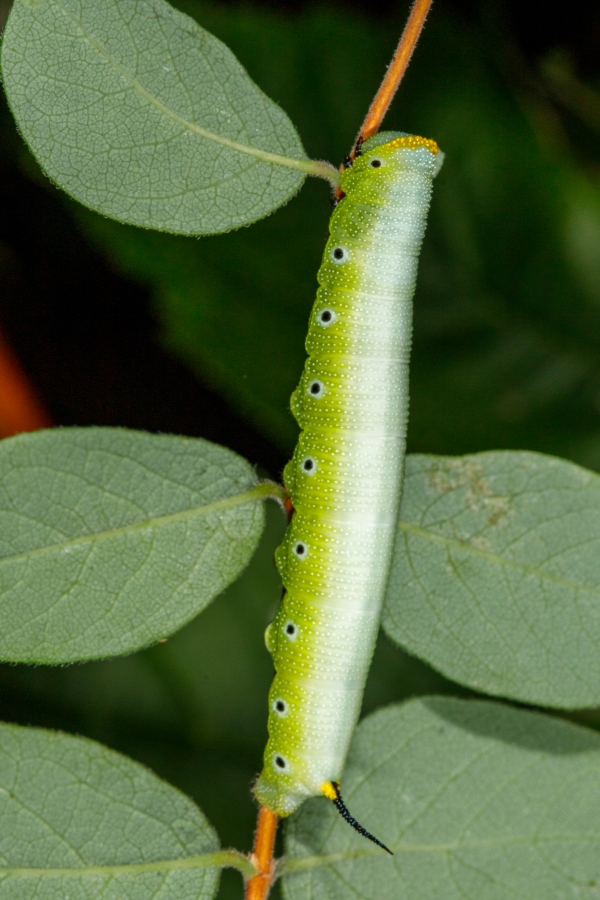
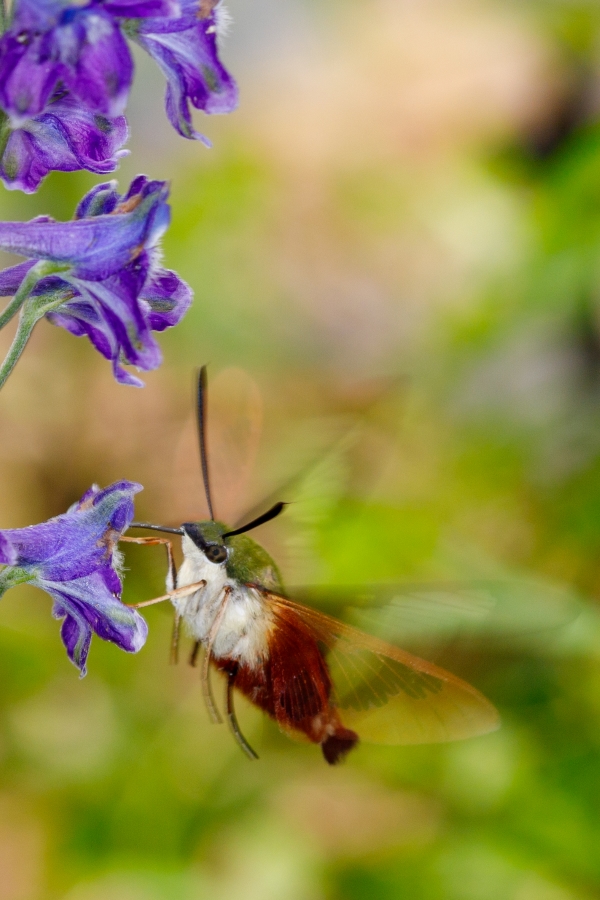
coralberry (Symphoricarpos orbiculatus) is one host plants for clearwing moths
While keystone species are vital, other garden plants can be chosen to attract specific butterflies and moths to the yard. Focusing on some of these host plant / lepidoptera relationships contributes to an understanding of what is attracting the large number of butterfly and moth species present at Catchfly Commons. According to our observation list, 27 species of butterflies and 37 species of moths have been spotted, photographed, and correctly identified on the property. They are harder to spot in their larval, or caterpillar stage because they are vulnerable to predation, so have a variety of adaptations in an effort to outsmart their predators. Four species of butterfly caterpillars and 23 species of moth caterpillars have been documented on the property.
The question of how these insects find Catchfly Commons is an interesting one since we are surrounded by typical rural yards and fields, and we haven’t really explored the possibilities as yet. But the answer to why these insects make a home here, either temporary or permanent, is clear: their host plants exist on the property.
Examples
Here are some examples of the most charismatic of the lepidoptera seen at Catchfly Commons, either as adults or larvae, and their host plants.
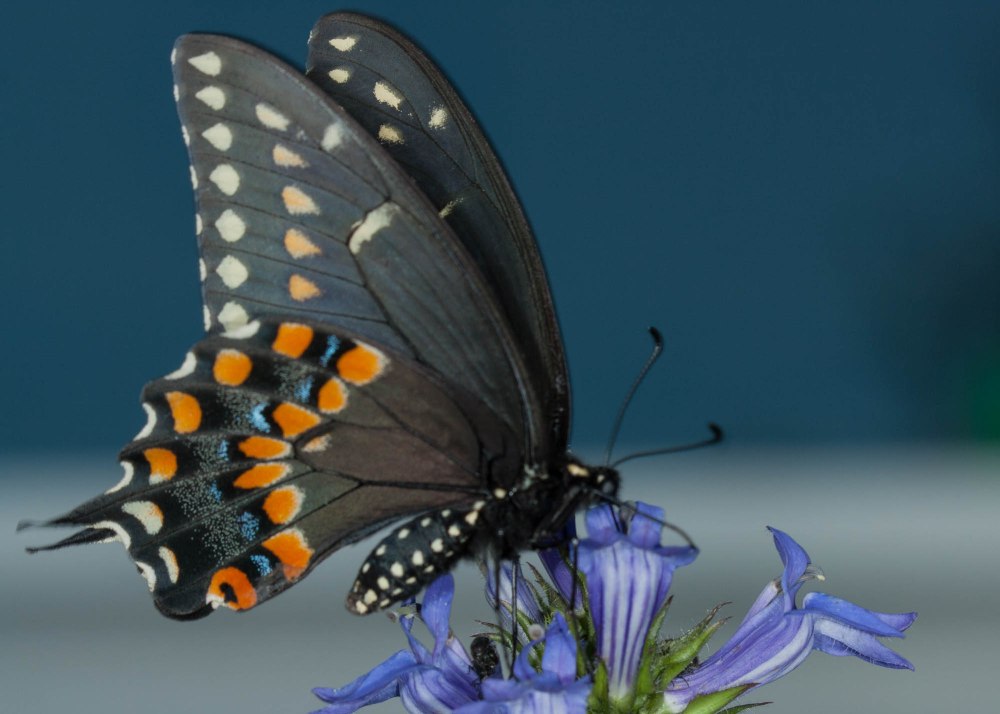
Black Swallowtail
Host Plants at Catchfly Commons
golden alexander, heart leaf golden alexander, dill, fennel, parsley
Other Hosts
The apiaceae (carrot), rutaceae (citrus) families, including celery, carrot, rue, Queen Anne’s lace
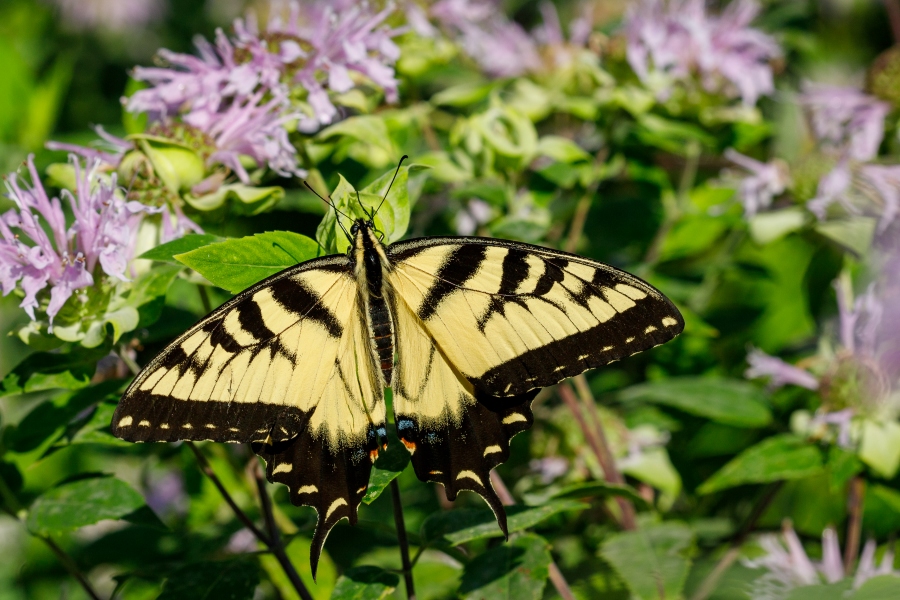
Eastern Tiger Swallowtail
Host Plants at Catchfly Commons
magnolia, willow, chokecherry
Other Hosts
The magnoliaceae (magnolia) family and wild cherry, sweetbay, tulip tree, basswood, ash, birch
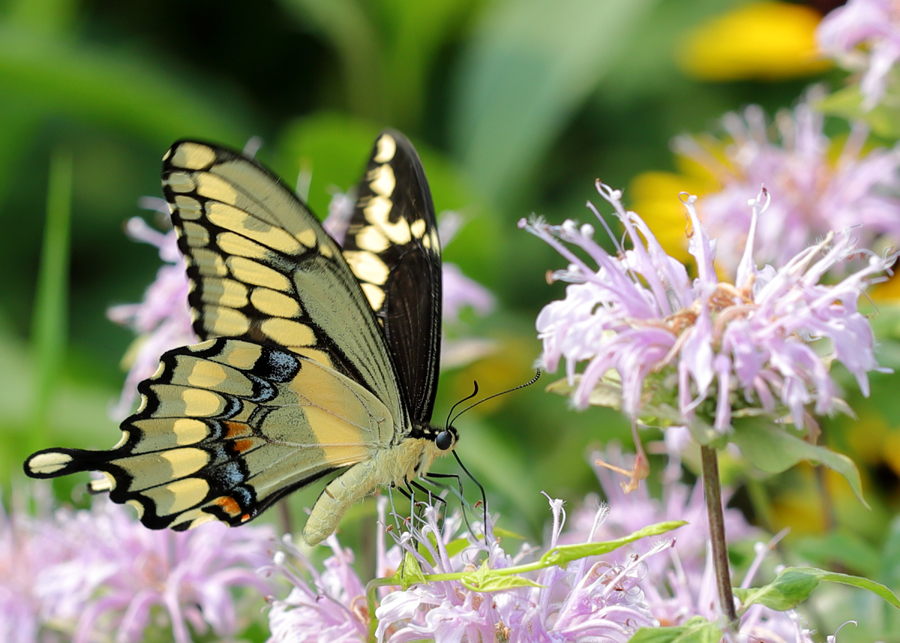
Giant Swallowtail
Host Plants at Catchfly Commons
hoptree
Other Hosts
The rutaceae (citrus) family, including prickly ash, common rue
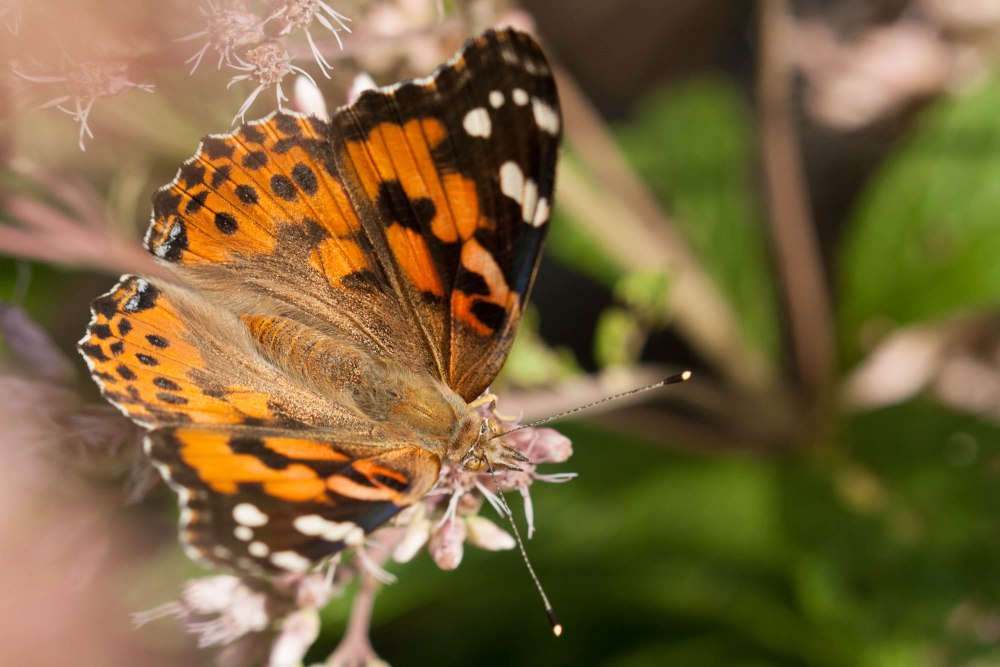
Painted Lady
Host Plants at Catchfly Commons
thistle, hibiscus (mallow)
Other Hosts
The asteraceae (aster), fabaceae (pea) family(ies), more than 100 plant hosts are noted; also other composites. Legumes preferred, many other low growing plants, burdock, hollyhock, lupine
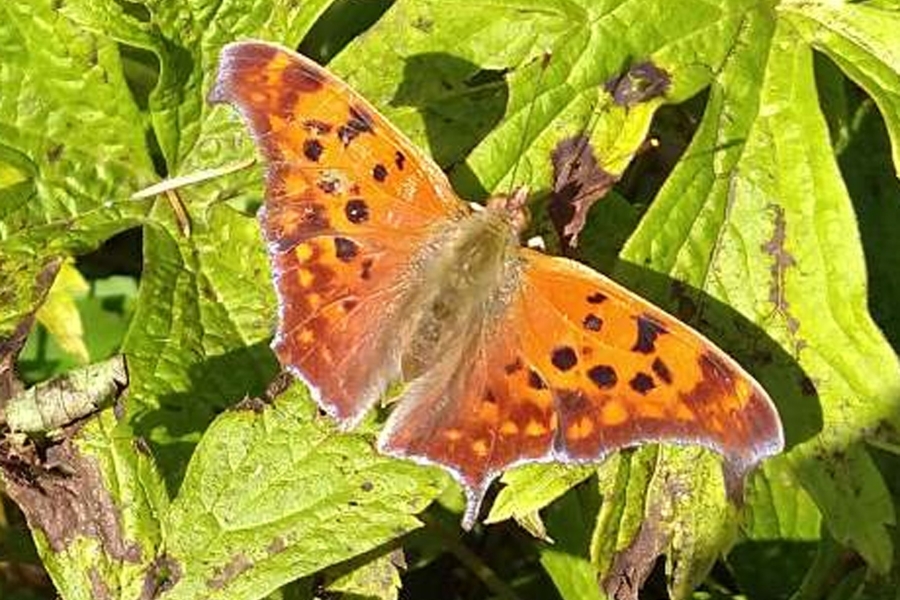
Question Mark
Host Plants at Catchfly Commons
false nettle
Other Hosts
The ulmus (elm), celtis (hackberry) families and hops
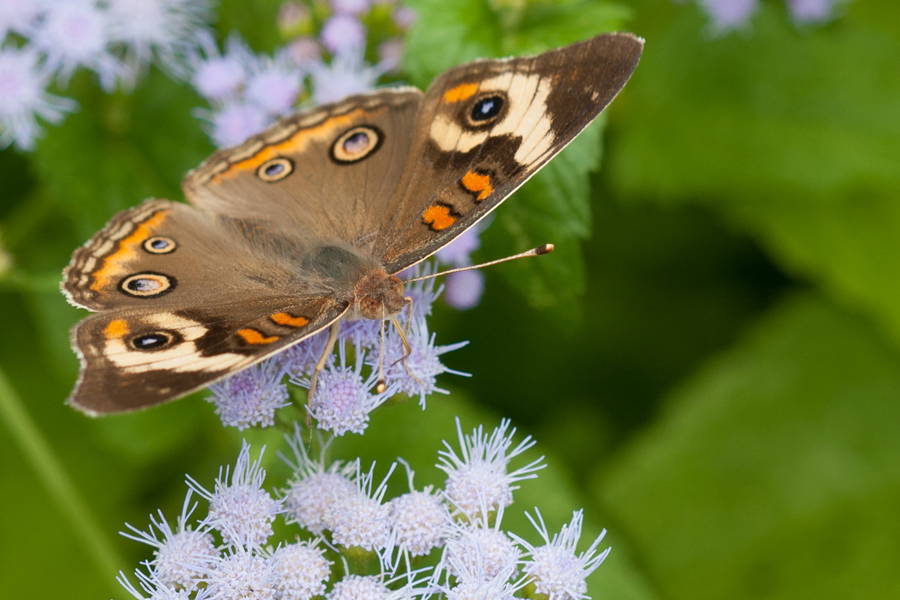
Common Buckeye
Host Plants at Catchfly Commons
false nettle
Other Hosts
The ulmus (elm), celtis (hackberry) families and hops
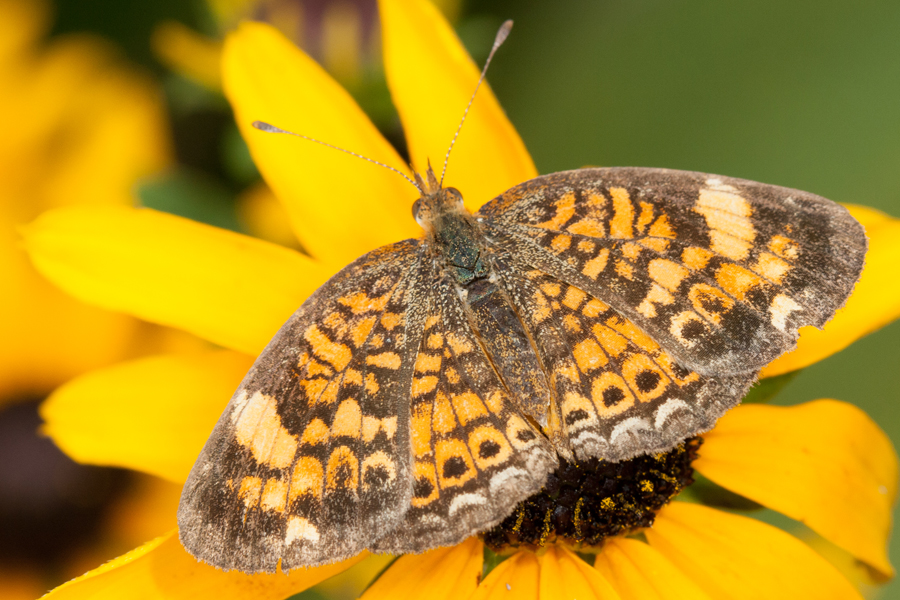
Pearl Crescent
Host Plants at Catchfly Commons
smooth aster
Other Hosts
Smooth leaved true asters but Holden says all true asters host pearl crescent caterpillars
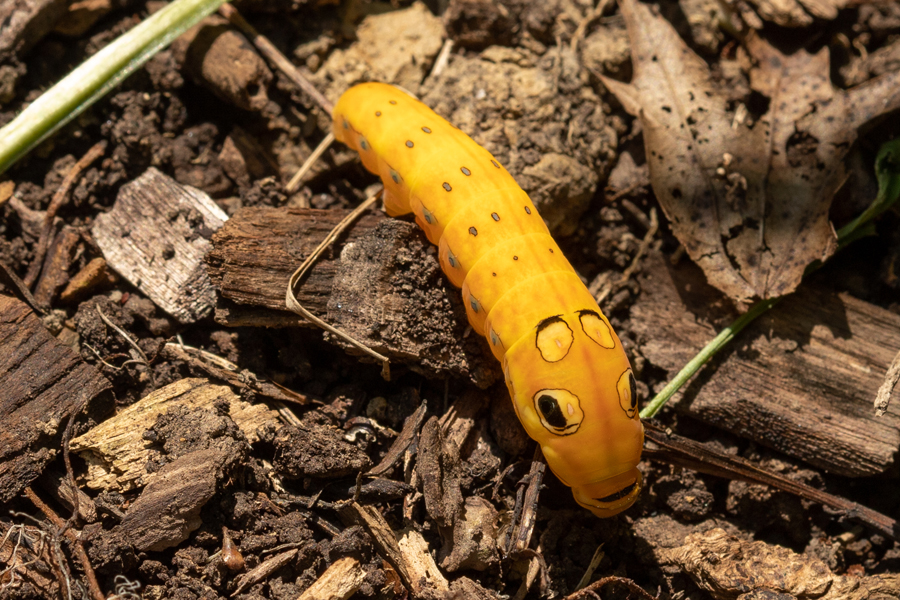
Spicebush Swallowtail
Host Plants at Catchfly Commons
spicebush, sassafras
Other Hosts
prickly ash, torchwood, tulip tree, sweetbay magnolia, camphor, redbay

American Lady
Host Plants at Catchfly Commons
pearly everlasting, pussytoes, ironweed
Other Hosts
cudweed, rabbit-tobacco, wormwood, burdock
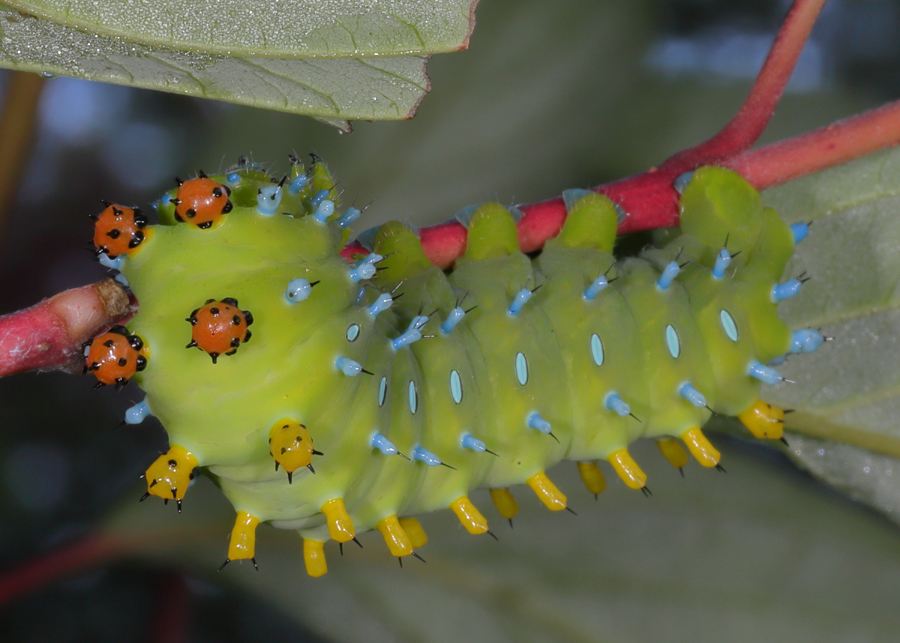
Cecropia Moth
Host Plants at Catchfly Commons
lilac, sassafras, willow, sugar maple, chokecherry, American plum, dogwood
Other Hosts
birch, elm, larch, apple, ash, boxelder, cherry, poplar, alder
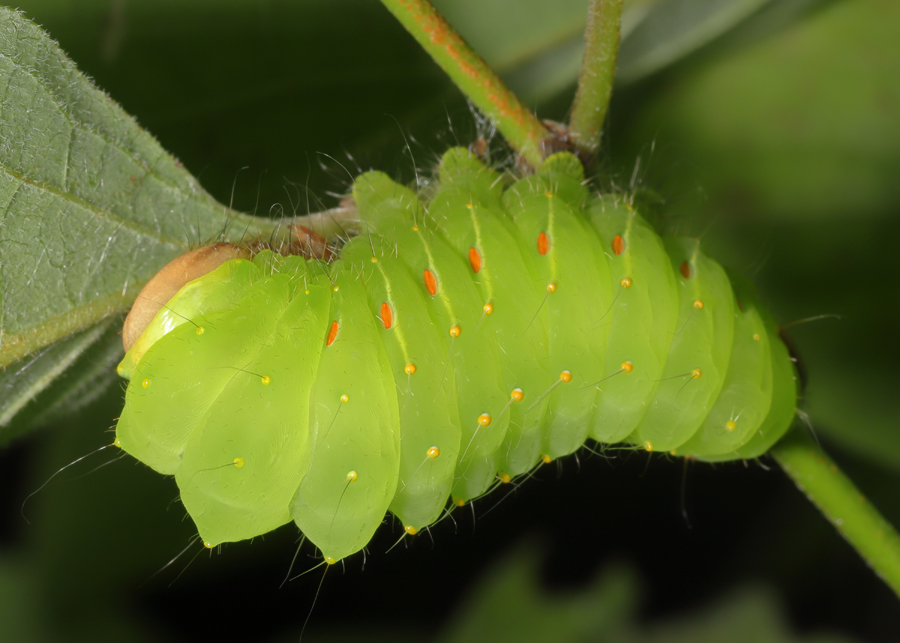
Polyphemus Moth
Host Plants at Catchfly Commons
dogwood, hazel, maple, oak, willow, rose
Other Hosts
Many shrubs and trees: betulaceae (birch), rosaceae (rose), salicaceae (willow) families. Especially favored: apple, ash, birch
References
Butterflies and Moths of North America
Wagner, David L. 2005. Caterpillars of Eastern North America : A Guide to Identification and Natural History. Princeton, N.J.: Princeton University Press.
Photos by Randy Litchfield unless otherwise noted
© Randy Litchfield, some rights reserved (CC-BY-NC)
Question Mark photo by Terri Litchfield unless otherwise noted
© Terri Litchfield, some rights reserved (CC-BY-NC)
 Catchfly Commons
Incredible photos of incredible subjects. I love caterpillars and thought mine were the flashiest but your Cecropia wins. What a treat/.