A couple of weeks ago we had 8-10” of snow. A concrete block on the concrete patio outside the kitchen window was covered with 10” of snow. Snow in the yard looked to be closer to 5”. The reason is that the ground had warmed up considerably before the snow fell and was holding its warmth, while the concrete block grew colder as the air cooled. As the snow hit the ground, it melted somewhat and never reached the 10” found on colder surfaces.
There is activity in the soil which may slow during very cold spells but now there is much to see as the snow has melted and plants are beginning, or continuing, to emerge.
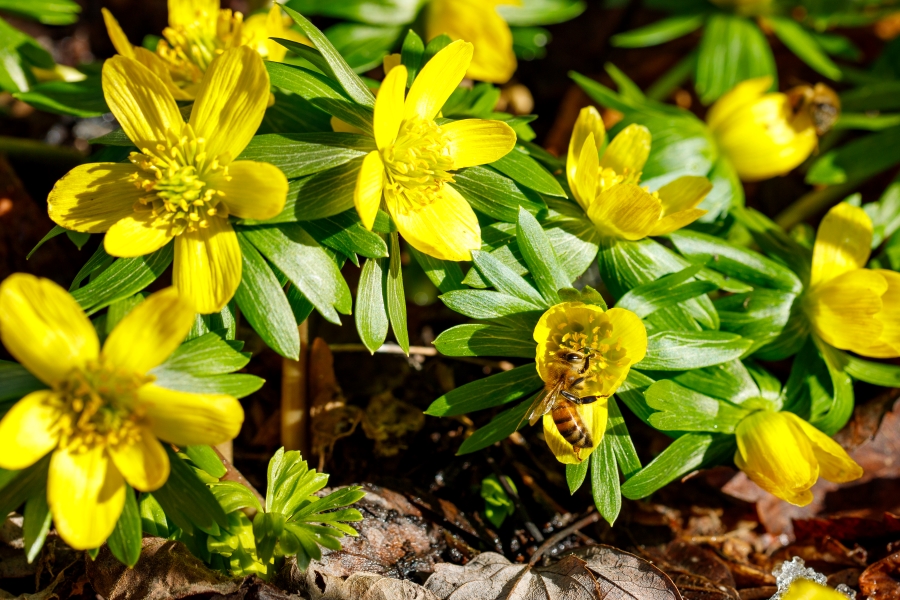
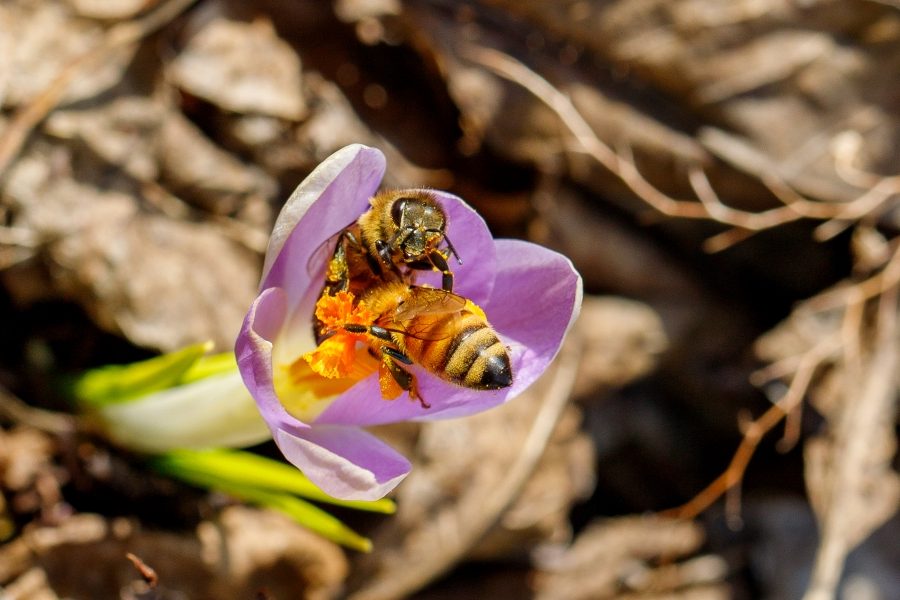
We have several patches of winter aconite which naturalizes beautifully. This non-native is the first flower to bloom at Catchfly Commons and it’s unfazed by a heavy covering of snow. Now that the snow has melted, it’s still blooming cheerfully. On 55° degrees days, honeybees may be out foraging and this early in the year, in our yard, winter aconite and crocus are their primary options for nectar and pollen. I googled winter aconite, Eranthis hyemalis, and found this delightful blogpost by naturalist and writer Elizabeth Winpenny Lawson. It’s informative and she includes some helpful images.
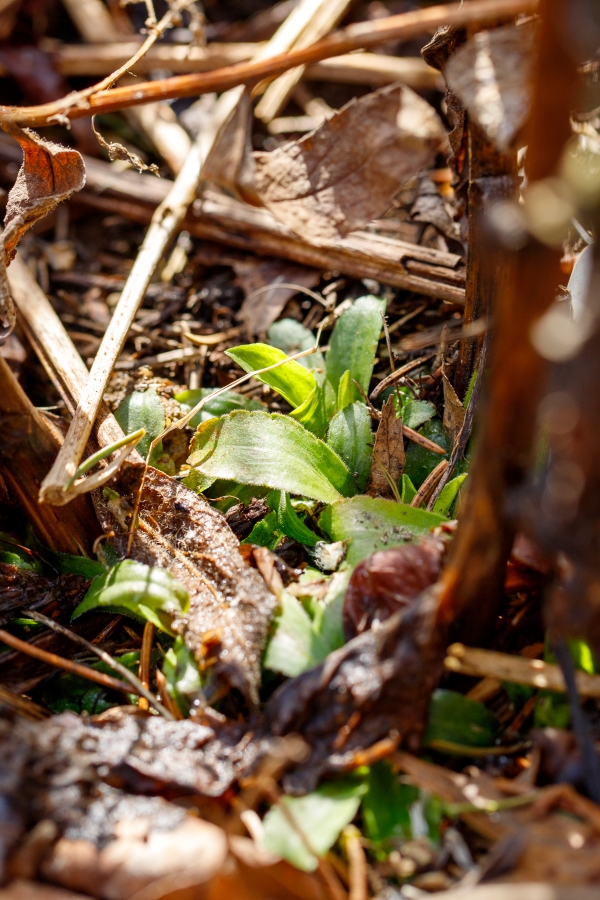
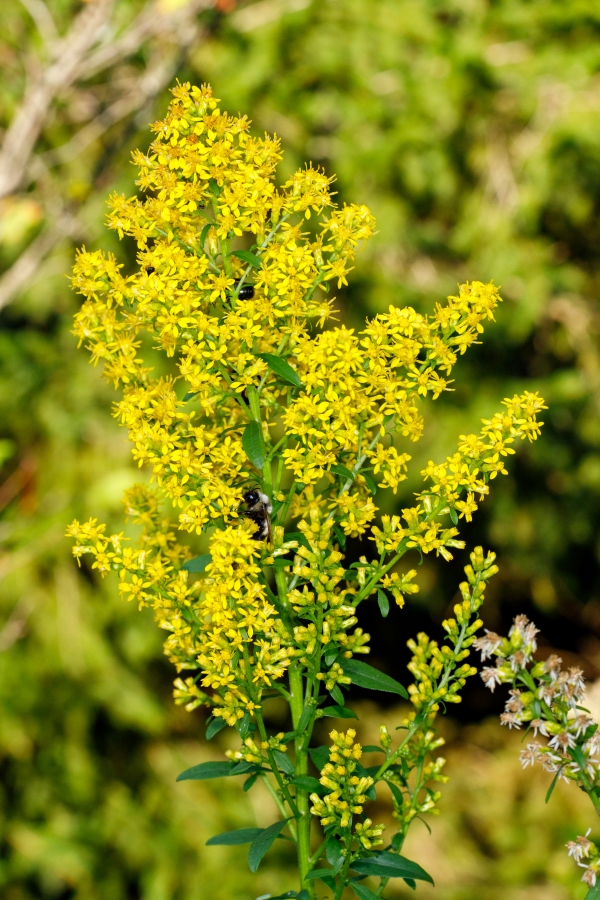
To get down to it, I need to get down to it, as in low to the ground. When the snow has mostly receded, we walk through the landscape and look for signs of life, usually in the form of emerging plants. Even those that won’t bloom until late summer, like showy goldenrod (Solidago speciosa), are visible now at less than one inch in height. It’s a slow wandering because there is life to be seen everywhere.
I am not an observant person by nature (and that is an understatement: “When did these Valentine’s Day flowers appear on the kitchen counter?”) so looking for emerging plants requires focus and intention. Learning to identify plants at this stage requires lots of repetition. We do most of our garden clean up in the spring, which is helpful as I study tiny plants. While I recognize aster leaves in general, since the dead stems are still standing, I know they are New England asters because this is where they were growing. In a complex and evolving landscape, it can be challenging to remember what plants are growing where in a given year. The Gardeners Guide to Prairie Plants, by Neil Diboll and Hilary Cox, is a helpful resource that includes photos of both seedlings (new plants) and emerging mature plants in spring. I’m grateful to the authors for providing these images which help us appreciate early spring even more.
Since we move leaves from the lawn to the landscape beds in the fall, at this time of year I may need to push leaves away from the base of last year’s growth to see emerging plants. When I see evidence of life, there’s always a surge of excitement. One of the earliest blooming native plants in our yard is sharp-lobed hepatica, Hepatica acutiloba. The flowers bloom early and the foliage continues to grow throughout the season, however I do not see evidence of it yet.
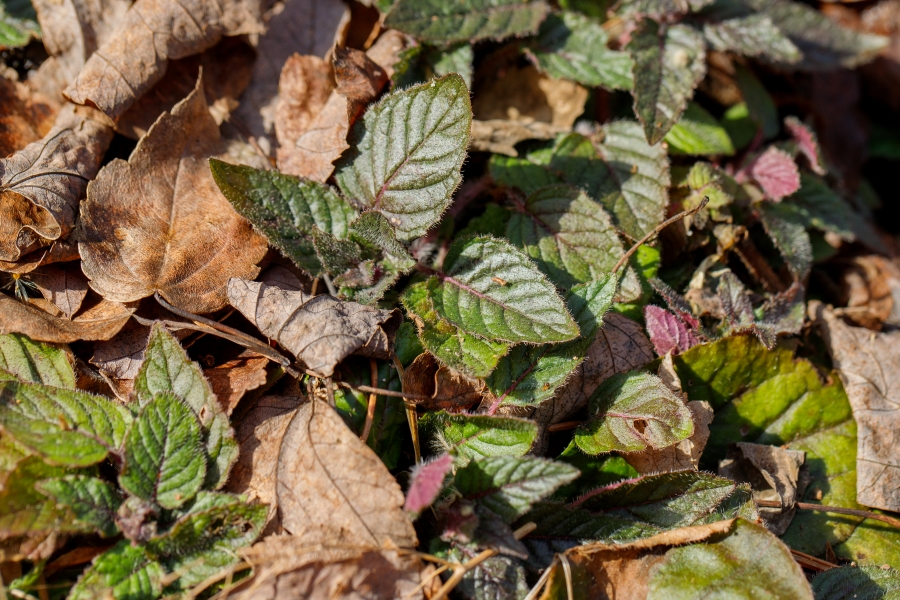
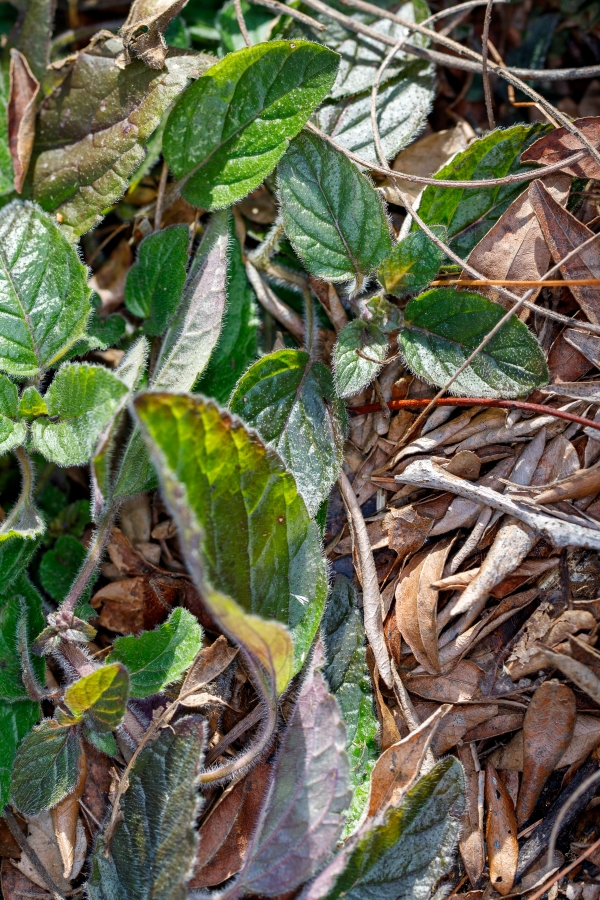
Hairy wood mint, Blephilia hirsuta, may persist through winter, keeping its leaves. Of the native mints in our yard (downy wood mint, short-toothed mountain mint, narrowleaf mountain mint, Virginia mountain mint) this has the purest peppermint scent. I can’t walk by it without rubbing the leaves between my fingers and inhaling this invigorating fragrance. Downy wood mint (Blephilia ciliata) may also keep its leaves through the winter. We are using it as a groundcover in the front yard where we extended a border a couple of years ago. It’s growing really well, which might be because as a new bed extension, there’s little competition. A colony established in the backyard a few years ago eventually petered out as the more aggressive natives in that area overtook it.
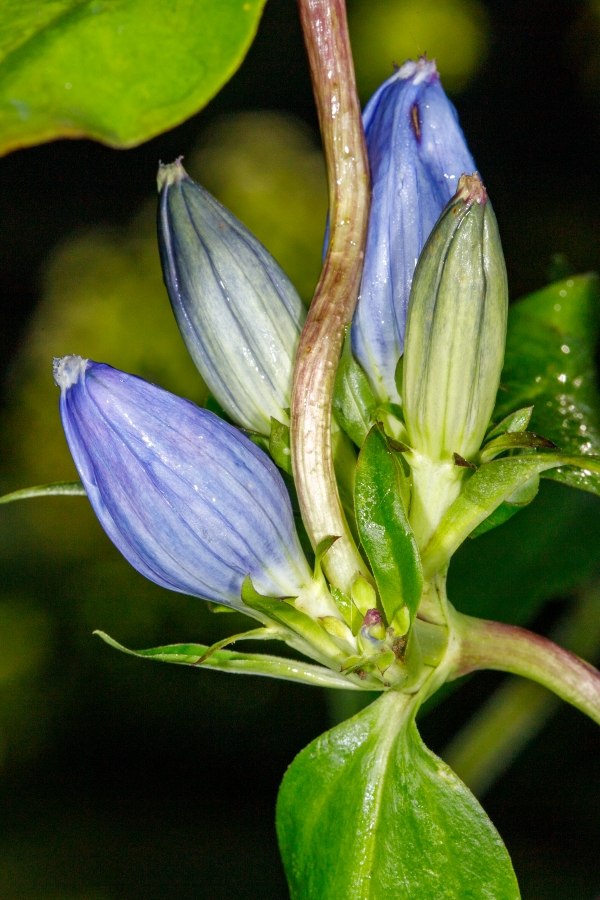
Bottle gentian (Gentiana andrewsii) is up! And multi-stemmed this year, or so it appears. What’s not to be excited about?
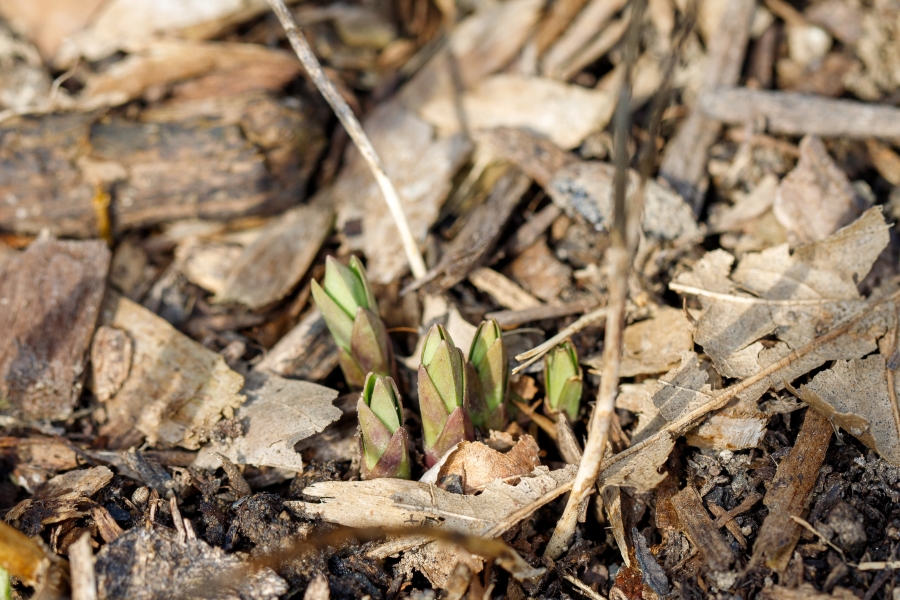
Other emerging plants at Catchfly Commons:
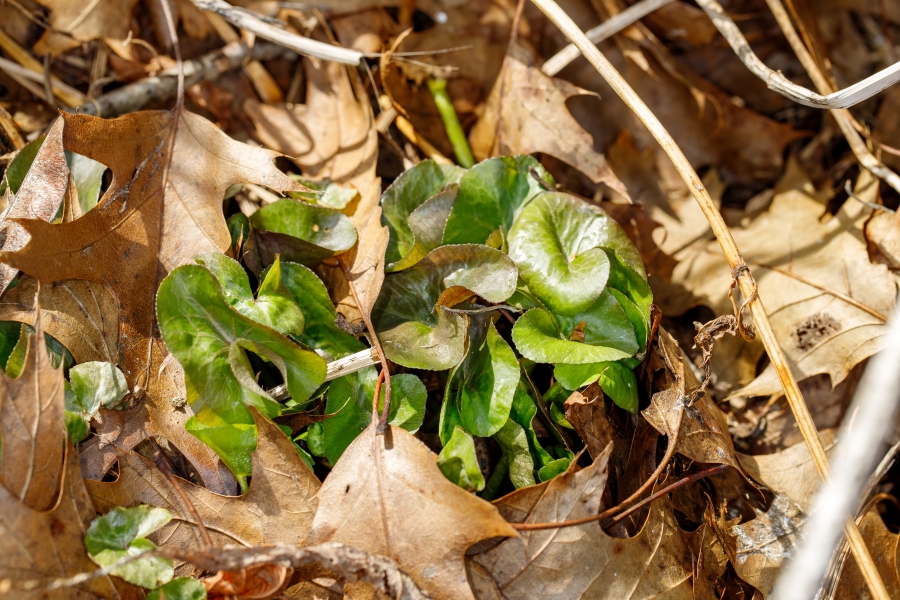
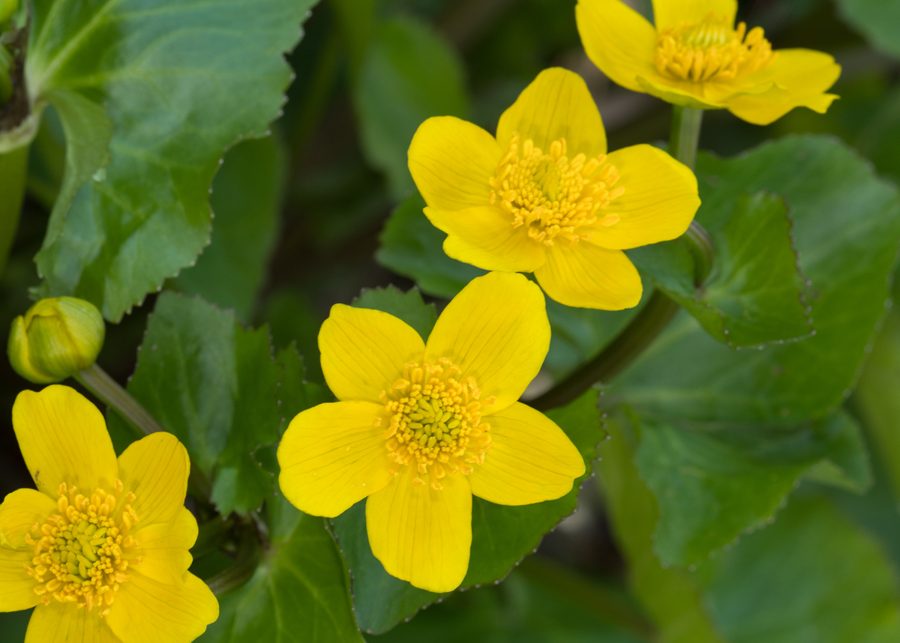
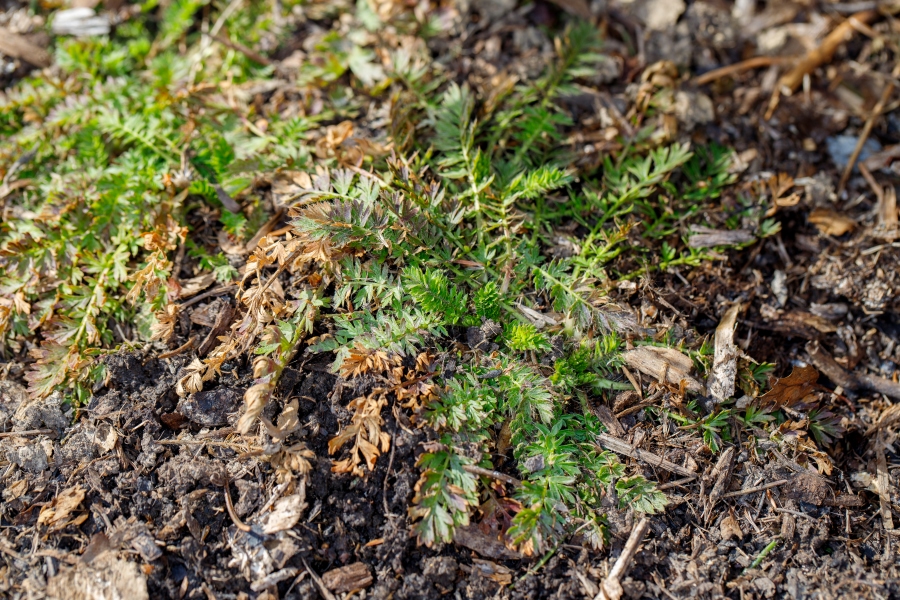
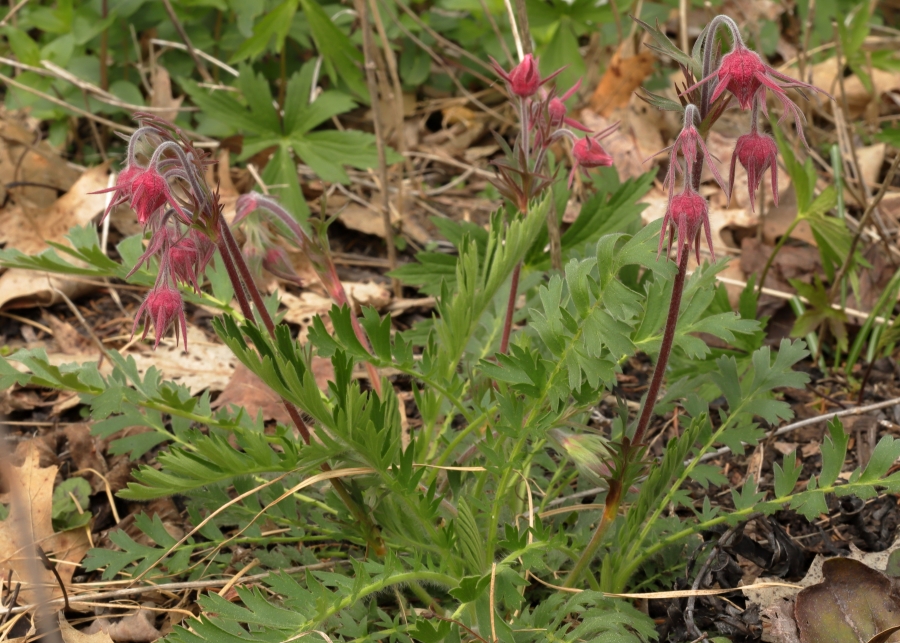

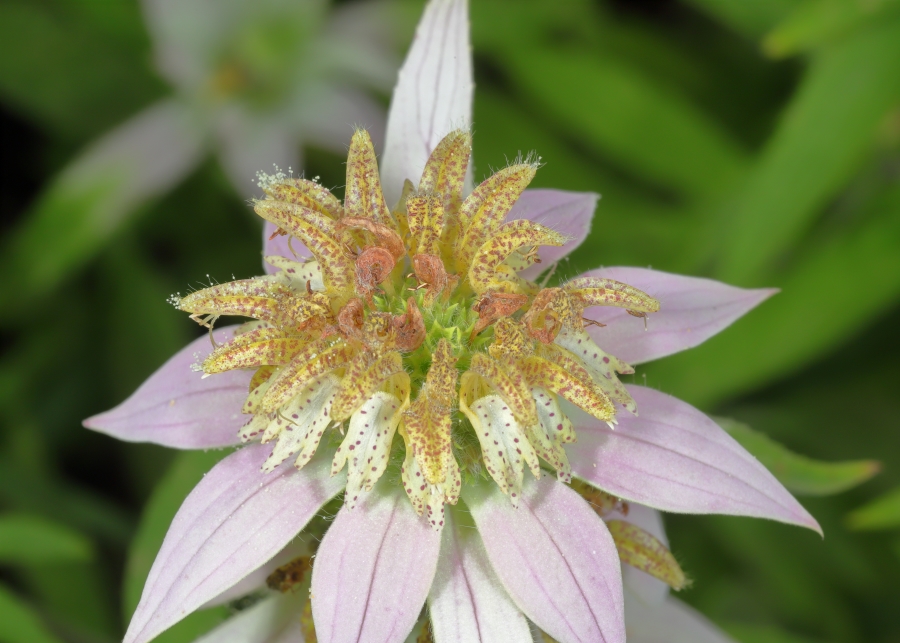
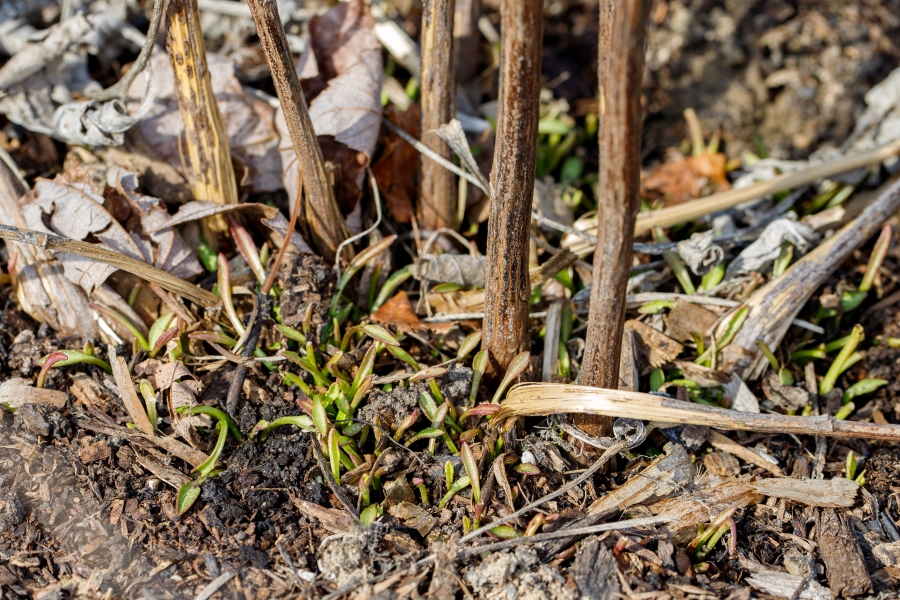
(Rudbeckia subtomentosa, ‘Henry Eilers’)
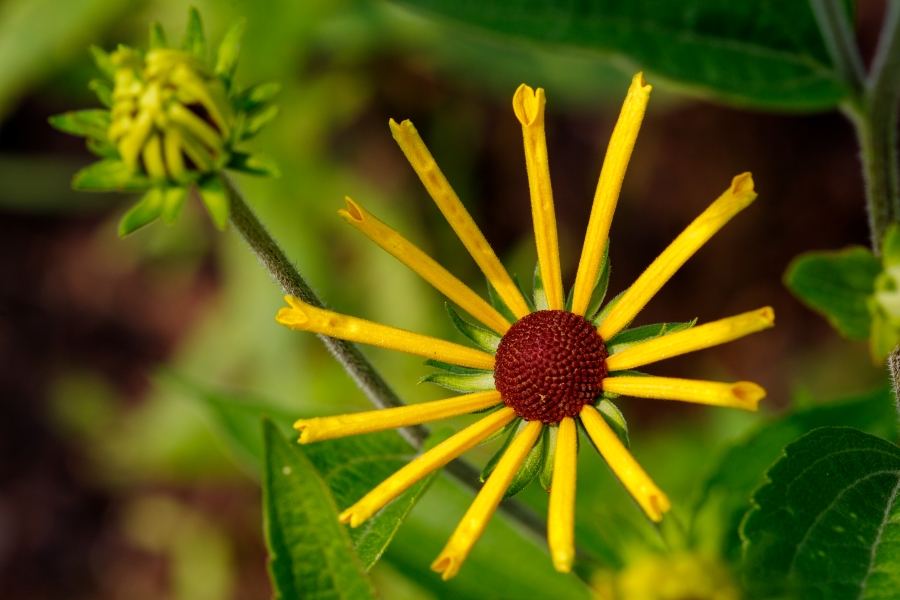
(Rudbeckia subtomentosa, ‘Henry Eilers’) in August
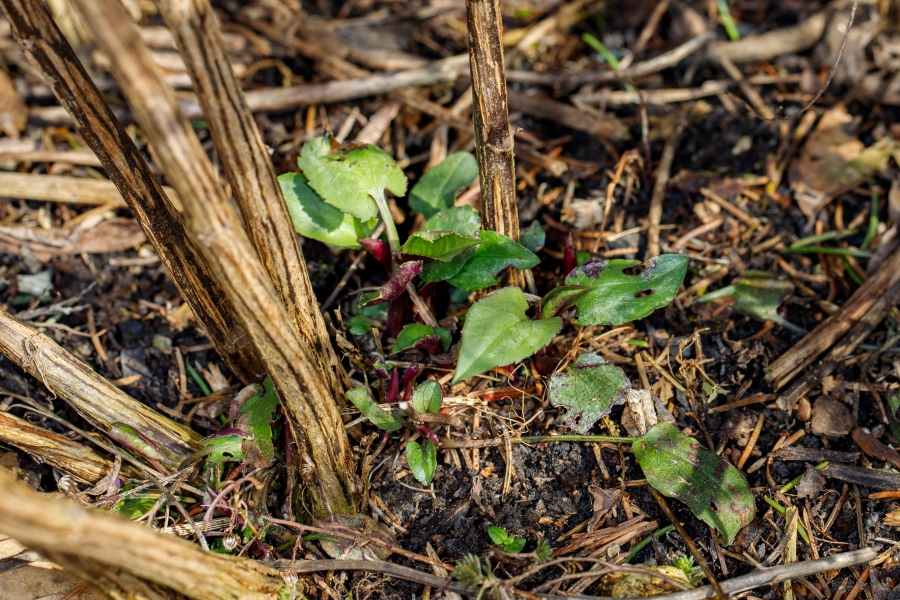
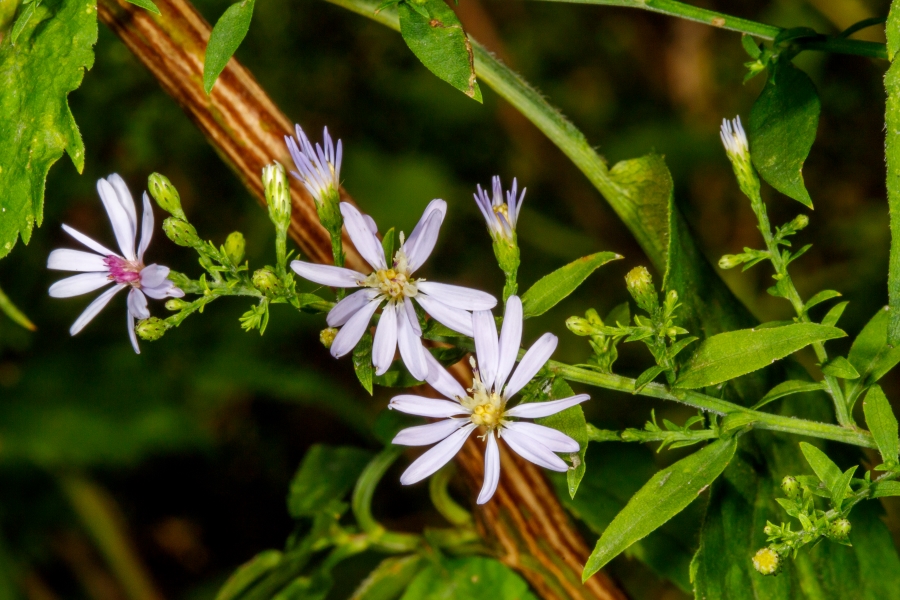
in September
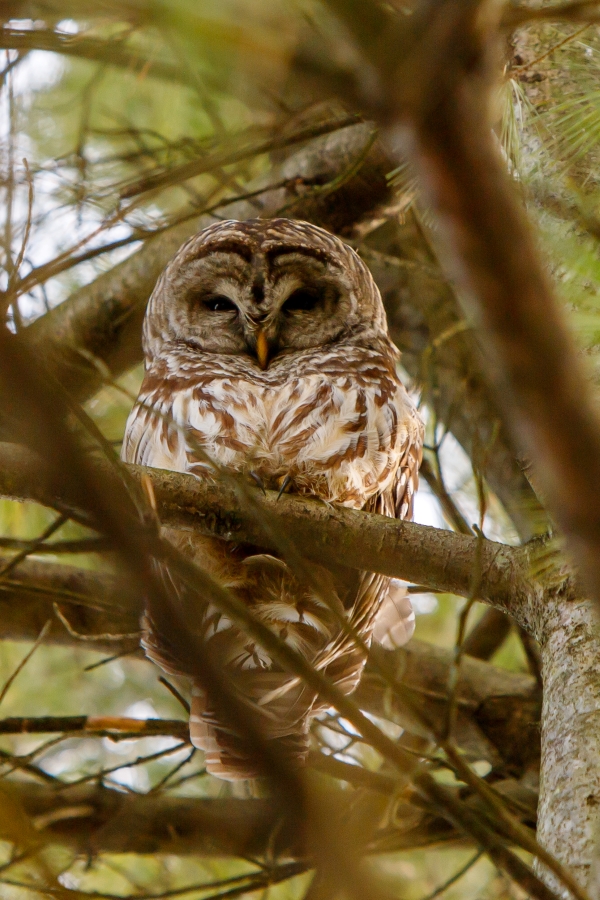
Just one last thing. Sometimes it also pays to look up. We heard this barred owl (“who cooks for you? who cooks for you all”) and found it in a white pine, Pinus strobus, beside our house.
Photos by Randy Litchfield unless otherwise noted
© Randy Litchfield, some rights reserved (CC-BY-NC)
 Catchfly Commons
Thanks for the update with photos. Hairy bittercress and chickweed seem to be dominant in my garden. I need to go out again and take a closer look.
Same here re: weeds, and add in henbit. Chickweed and bittercress are blooming. I don’t mind weeding but it’s a different kind of satisfaction than seeing the emerging plants in spring. I don’t get a hit of dopamine when weeding. 🙂
Such good writing, my friend !!🥳
Sent from my iPhone
Thank you! Writing used to be so tedious for me but now it’s much less so, and even enjoyable.