People routinely speculate about whether plants are leafing out and blooming earlier or later than usual. When leaves and blooms emerge varies a lot relative to our human calendar. However, plants and insects mark time differently than we do. To understand this, we need to consider “phenology” and “growing degree days” (GDD).
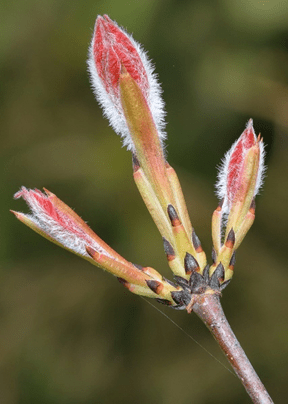
(non-native)
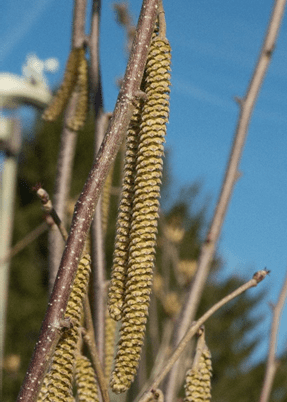

Phenology
The USA National Phenology Network explains phenology this way:
Phenology is the study of the timing and cyclical patterns of events in the natural world, particularly those related to the annual life cycles of plants, animals, and other living things. These events include the budding of leaves in spring, the arrival of migratory birds, the flowering of plants, and the onset of fruit ripening. Phenology is a vital field of ecological research that helps us understand how living organisms respond to environmental cues such as day length, temperature, and rainfall, and how climate change can impact these seasonal changes. https://www.usanpn.org/about/phenology
The developmental sequence of plants and insects does not vary, but when a stage of development happens does change based on environmental factors.
The timing of developmental events is very important in plant-animal interactions. Plants and animals have evolved to take advantage of each other’s developmental stages… they are interdependent. The emergence of native bees relates to spring flowers. Arrival of migratory birds relates to plant and insect food sources being ready.
Knowing the stages in plants and insects helps us steward and tend our patch of earth. We might put an organic pre-emergent (e.g. corn gluten) on our lawn before weed seeds germinate, pull weeds before they set blooms, or prune trees before harmful insects are active. The big question is knowing when to do these types of things. Humans have used phenological relationships in nature to answer this. For example, a rule of thumb is to apply pre-emergent treatments on lawns when forsythia is blooming.

Developmental Timing, Temperature, and Growing Degree Days
Temperature is generally the predominant factor for phenological timing in plants and insects. Factors such as precipitation and soil conditions impact robustness and size of growth more than timing.
Plants and insects do not develop “unless the temperature is above a minimum threshold value (base temperature).” (1) Base temperature varies between organisms and is determined experimentally. When a developmental phase occurs depends on the amount of time the organism is above its base temperature.
Growing Degree Days (GDD) is a way to measure time above base temperature. (2) The GDD of each day is calculated and then all daily GDDs are added up to get the accumulated GDD for the year. The GDD is noted when the start of a developmental stage (e.g. leafing out or blooming) is observed. Accumulated GDDs is the marker of time rather than the human calendar.
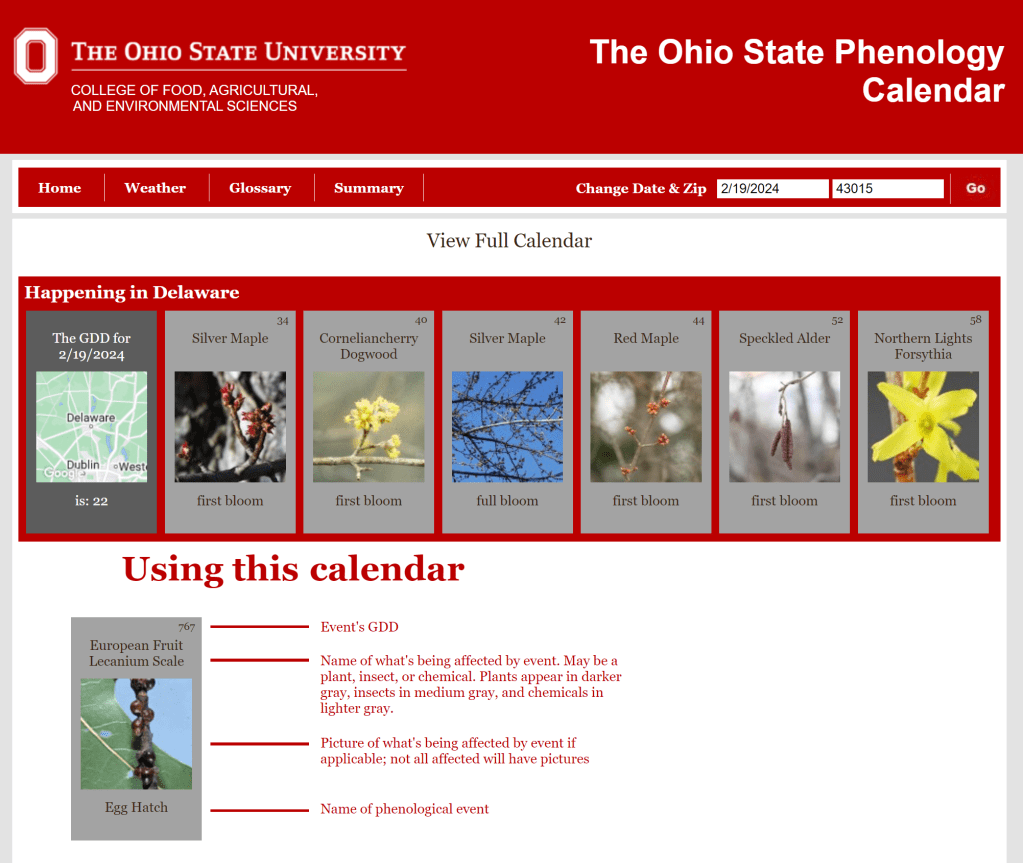
The Ohio State University’s Phenology Calendar website is very helpful in showing the connection between developmental events and GDD . On the home page you enter an Ohio zip code. It gives you the accumulated GDD for the current date and the upcoming stages for selected plants and insects. If you click on “View Full Calendar,” you will see a full list of stages and the GDDs at which they occur.
Check Your Perceptions
To get a sense of whether things really are early or late, click on “Summary” and you will see the GDD for the current date and for each of the prior 20 years.
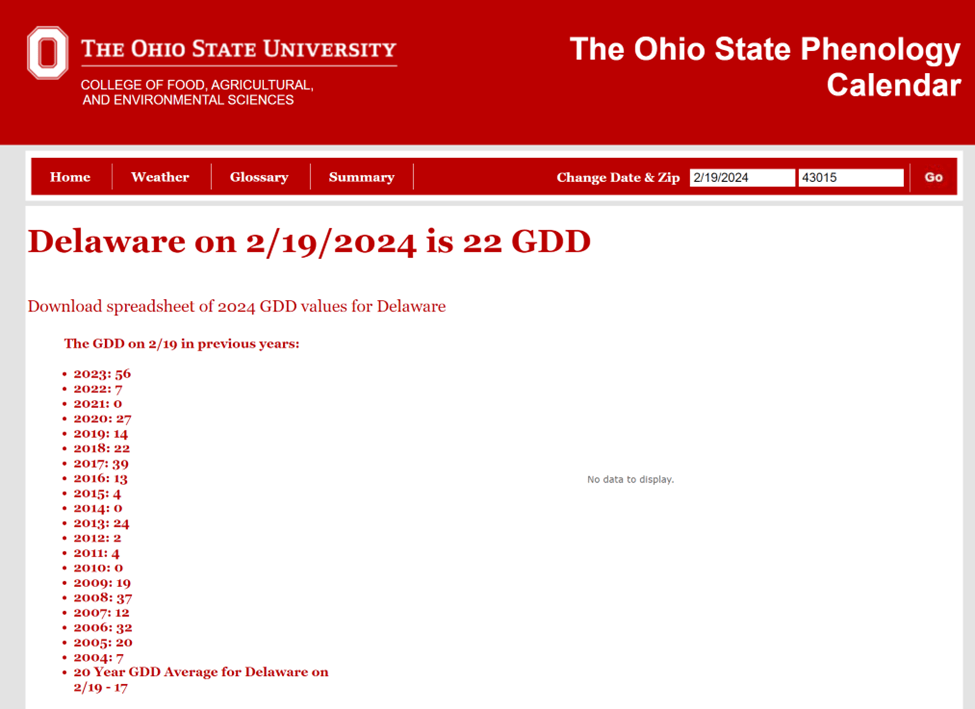
The accumulated GDD for today is 22 which is well behind last year’s 56 GDD but slightly ahead of the 17 GDD twenty-year average. With some recent warm days and seeing honey bees on winter aconite, I would have guessed that we were on the early side of things. The data set me straight!!
Keep visiting the phenology calendar site in the coming days and through spring to get a better sense of the seasonal changes!
USA National Phenology Network
The USA National Phenology Network website is a great resource! You can learn more about phenology and they have animated maps to show the progress of first leaf and first bloom across the US. They also have a citizen scientist program called Natures Notebook in which you can gather and share observations of plant and insect development.
References
(1) “Growing Degree Days,” The Ohio State Phenology Calendar, accessed 2.20.2024, https://weather.cfaes.osu.edu/gdd/glossary.asp.
(2) The Ohio State University phenology calendar makes the generalization that 50 degrees Fahrenheit is the base temperature for all plants and insects. So if the low temperature for a day is above 50 degrees, then for that day:
GDD = ((high temp – low temp)/2) – 50 degrees
See “Growing Degree Days” for an more in depth explanation of how to calculate growing degree days.
Photos by Randy Litchfield unless otherwise noted
© Randy Litchfield, some rights reserved (CC-BY-NC)
 Catchfly Commons
Randy. This is an Excellent article. Thanks for sharing.
I love your photos too.