In Part I of Helping Pollinators Overwinter, I concluded by saying the dormancy of pollinators varies a lot. They are dormant in different ways and in different stages. The location of nests and shelters are also varied. This means as we garden in fall and winter that we need to give care to ground disturbances, leaving stems, allowing for crevices, careful pruning, and leaving plant debris. Such practices are the focus of this blog. I want to add that these practices also help birds, amphibians (e.g. toads and salamanders), spiders, and other creatures overwinter.
Navigating Traditional and Eco-function Landscape Mindsets
Like other aspects of gardening for eco-function and biodiversity, fall clean up lands in the tension between traditional landscape aesthetics and ecology. Often the traditional preference is for a “clean and tidy” look. We may encounter this with HSA regulations, municipal ordinances, neighbors and even our own ingrained habits of mind. (See “Being Out Front with Natives“) Choices about garden practices do not have to be all or nothing.
Overall, we try to leave as much plant material standing as possible through fall, winter, and early spring. However, there are areas where we cut things back and do some clean up in the fall. These include:
- Areas next to the house
- Borders by sidewalks and patio (allowances for snow management)
- Beds in front of house (public visibility)
- Spots in front of plants with winter interest such as winterberry and red twig dogwood
- Patches of plants that aggressively self-seed (control spreading)
- Paths
When we do clean up in such areas, we try to follow the recommended practices below. Taken as a whole, our landscape provides a large amount of fall and winter habitat while keeping a look we like. Perhaps something akin to what Heather Holm describes as a “relaxed” landscape style… neither tidy nor neglected looking.
Recommended Fall Practices
Whatever work we may be doing in landscape beds, we try to avoid tromping around. Remember that insects are overwintering in the leaves and plant debris so we do not want to crush them. Also, too much foot traffic in the bed can compact soil which makes things harder for ground nesting bees and plant roots. Pick a few strategic spots to stand where you can accomplish the necessary tasks.
Doug Tallamy is one of the more widely recognized scholars, authors, and speakers about gardening for function and biodiversity. Here are a couple of interviews with him about garden clean up. The first is a video entitled “Best Practices for Spring & Fall Garden Clean Up” and he addresses many questions about fall practices for eco-function.
Here is another interview in a podcast entitled “Fall Cleanup with Ecology in Mind” with Margaret Roach from A Way to Garden. (transcript)
The Xerces Society has a couple of very good resources on helping pollinators overwinter that I recommend. One is “Nesting & Overwintering Habitat: For Pollinators & Other Beneficial Insects” . It has eight steps to support overwintering with helpful explanations, concrete things to do, and illustrations. Download the PDF and share it with others! Here are some highlights from that resource with a few additional comments.
- Save the Stems
- Leave perennial stalks over the winter and then prune in spring to create new bee nesting sites (8-24” above ground… varying the height creates different stem diameters for a range of bee sizes).
- If you cut stems for bee nesting and other insects last spring, leave them up because these may be housing insects that will overwinter in the upcoming months.
- Comments for if you do cut back stems in fall:
- Try to preserve sturdy stems that will last long enough to serve as bee nests. Heather Holm notes that plants in the Aster family, Goldenrods, Black-eyed Susans, and Coneflowers have fibrous and durable stems. Bees can use stems that are hollow or have a pithy center. Bees will excavate those with pith to create a tubular cavity. (1)
- Before cutting, examine the plant for chrysalises, cocoons, nests, and insects already in their diapause state for the winter. Leave these stems up or carefully relocate them.
- Try to drop cuttings in place. Cut what is removed from the plant into just a few shorter lengths and leave the cuttings on the ground around the plant. This provides habitat and mulch plus minimizes work.
- Leave the Leaves
- Leave a thin layer of leaves on lawn (not enough to smother).
- Move leaves from lawn to beds where they can build soil and create habitat.
- When relocating leaves, keep them whole rather than shredding.
- If removing leaves from beds, wait till late spring to protect overwintering creatures.
- Comments about leaving leaves from Doug Tallamy:
- Cocoons are often created by rolling up leaves that later fall to the ground and once down blend into the leaf litter.
- A normal leaf fall is 3 or 4 inches and this does not smother ephemerals or perennial plants. They will grow up through them. (2)
- Redefine the “Perfect” Lawn
- Avoid chemical fertilizers, herbicides, and insecticides.
- Allow bare spots and thin areas in the lawn for ground nesting bees.
- Limit turf grass and use native bunchgrasses because they create areas around their bases where ground nesting bees can access soil.
- Unmown areas provide habitat for “butterflies, moths, fireflies, and lacewings.”
- Rethink How You Use Mulch (for the sake of ground nesting bees plus beneficial insects and spiders)
- Avoid landscape fabric.
- Include shallow layers of pebbles as mulch.
- Use compost, leaf litter, and plant debris rather than wood mulch.
- Comments about mulch from Heather Holm:
- Leaf litter and plant debris is looser than wood mulch, so ground nesting bees can more “easily crawl underneath it to excavate their nest below ground”
- Wood mulch is being recognized as a pathway for introducing invasive species (such as jumping worms) and diseases into gardens. (1)
These next recommendations from “Nesting & Overwintering Habitat” move into more pro-active habitat creation. They are not specifically fall tasks but whenever they are done, they make a positive difference for overwintering creatures.
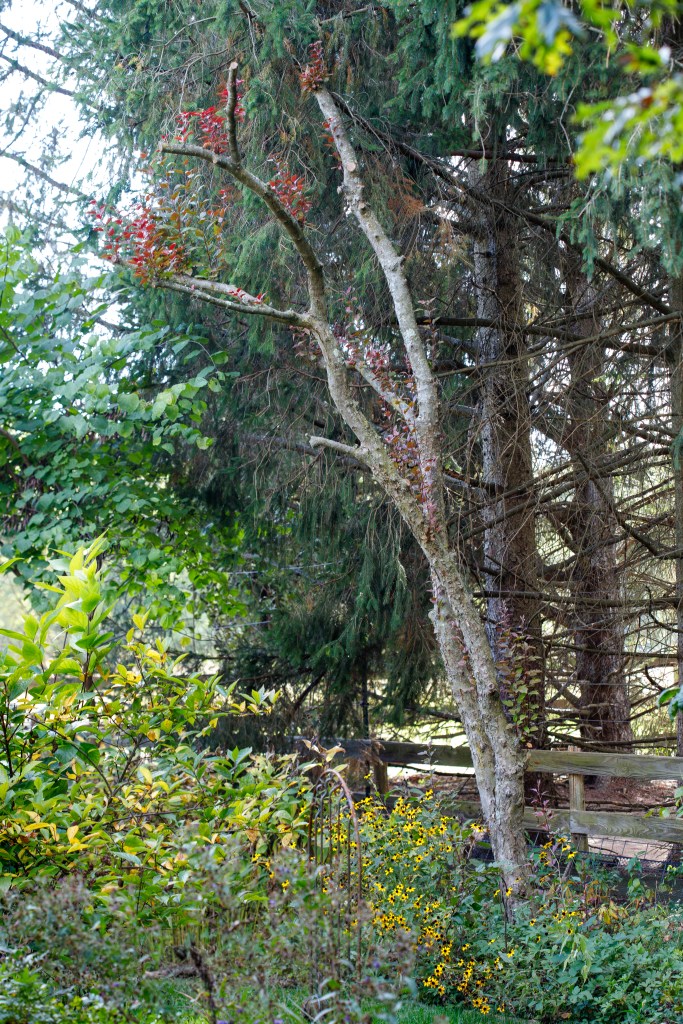
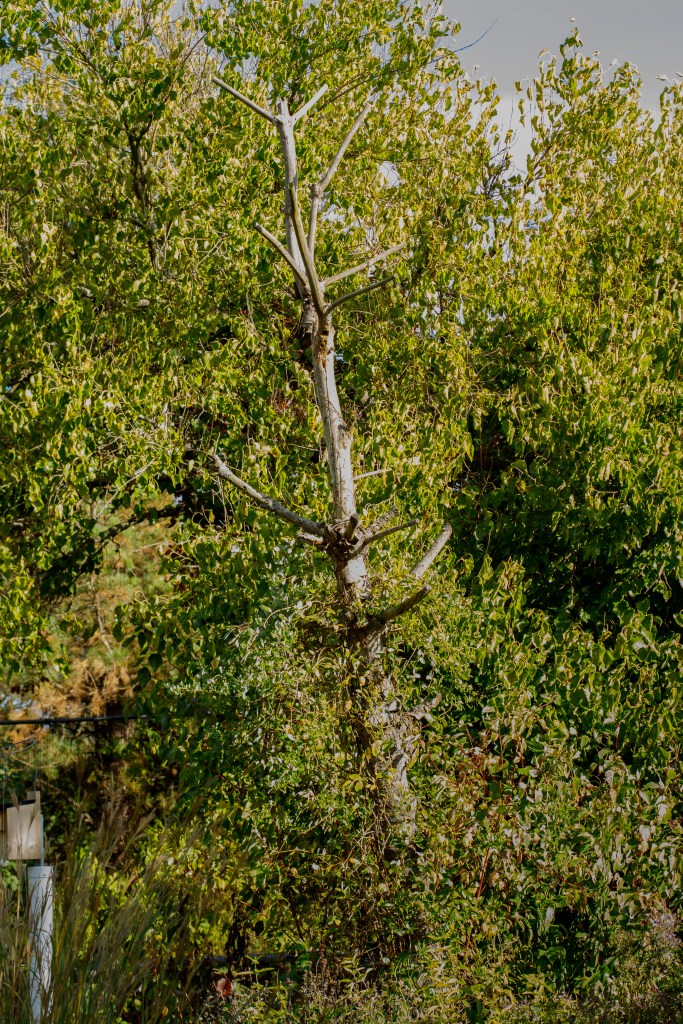
- Save a “Snag” and “Plant” a Log
- As long as safe, leave dead trees standing and logs on the ground for insects.
- Limbs of dead trees can be removed or left short when creating snags.
- Boring insects on snags and logs leave nest cavities for bees.
- Build a Brush Pile
- Provides hibernation sites for butterflies, soils access for bees, and food for wood-eating beetles.
- Provides hiding places for birds.
- Provide a Safe Water Source
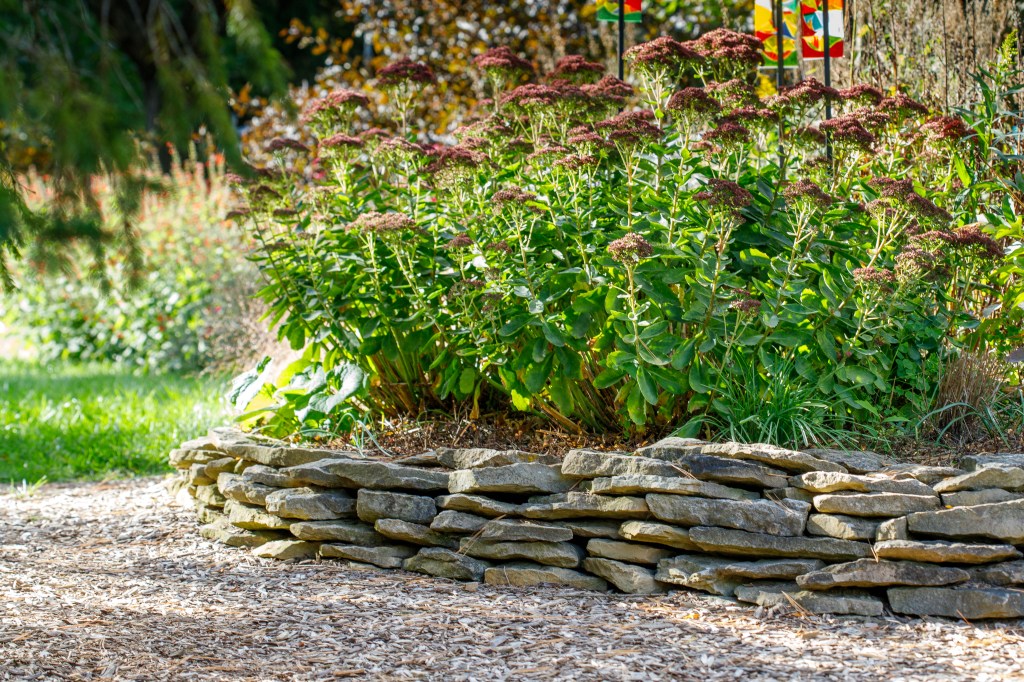
- Build a Rock Pile or Rock Wall
- Provides shelter and nesting places for insects and amphibians.
A second very good resource from the Xerxes Society is a blog post entitled, “Where Do Pollinators Go in the Winter?” A key point made there is to minimize ground disturbances for ground nesting bees. Additionally, they suggest checking under rocks and logs for nests and creatures before moving them, watching for nests in unexpected places, and spreading the word about leaving the leaves. (3)
At different points in this post I have refenced information from Heather Holm, an expert on bees and wasps. Here is a link to a podcast interview entitled “Bee-friendly Garden Cleanup with Heather Holm” she did with Margaret Roach of A Way to Garden. (transcript)
Summing up
Helping pollinators overwinter is a combination of minimizing harm and increasing necessary habitat. Minimizing harm involves limiting fall clean up in a way that is consistent with your situation: leaving stems and leaves, minimizing ground disturbance and tromping, and avoiding chemical treatments. I was taken by this statement from Doug Tallamy about leaving leaves:
“I like to think of leaves the same way we think of water these days. The practice is to keep all the water that falls on your property. Don’t let it run off. Same thing with leaves. So all the leaves that fall on your property should stay there, because that’s part of the cycle. They’re going to return the nutrients that were taken up by the trees’ roots and used all summer long, they’re going to return them to the soil so the tree gets to use them again.” (2)
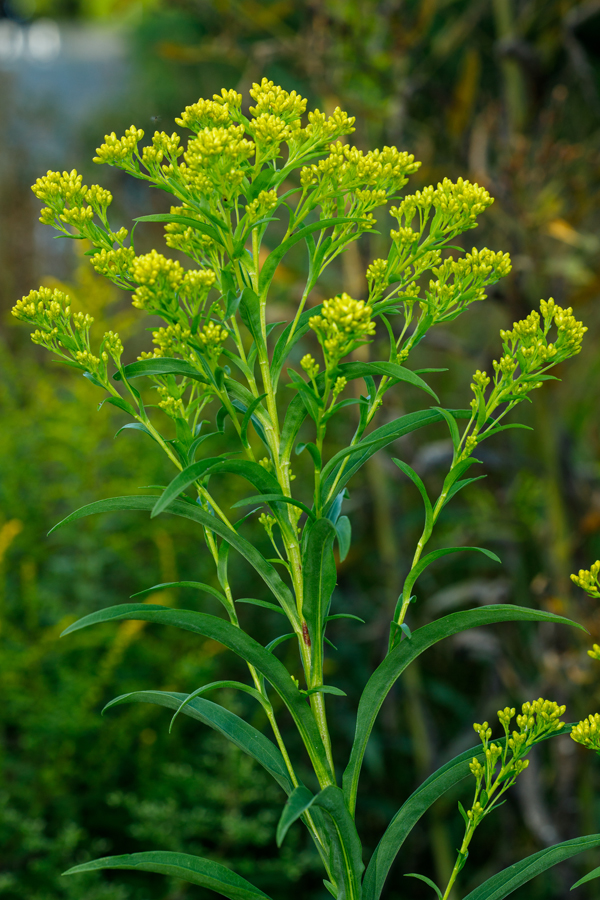
Increasing helpful habitat involves providing logs, brush piles, rock stacks, and safe water. The National Wildlife Federation reminds us that we can also help by planting fall blooming goldenrods and asters. These provide nectar for bumble bees and other insects in their preparation for winter. Early fall is a fine time to plant keystone plants for next year… and don’t forget to sow milkweed seeds. (4)
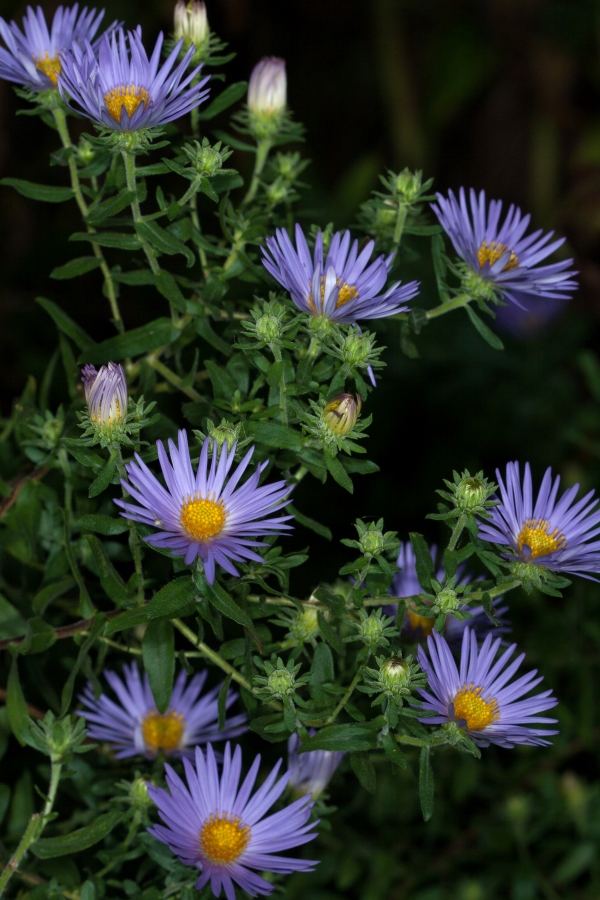
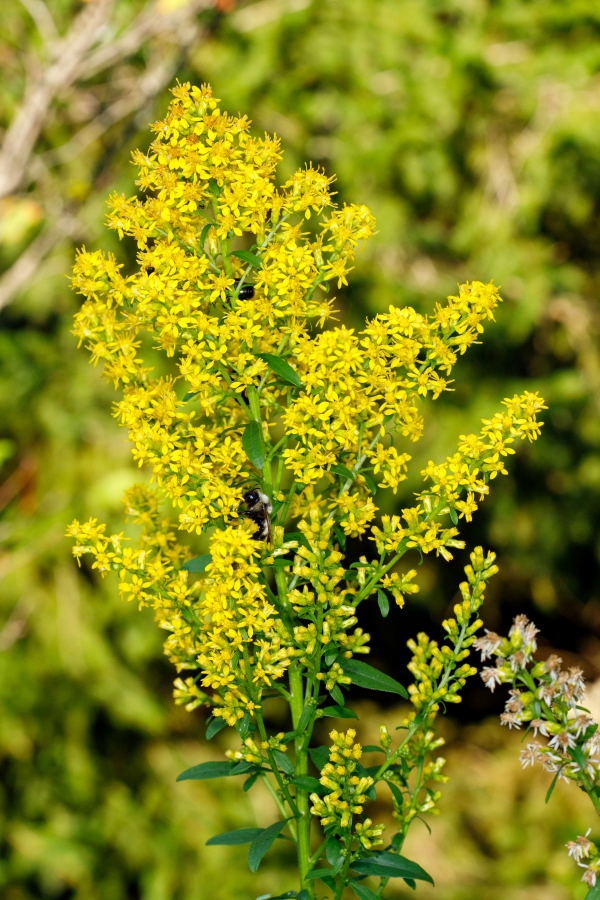
As we live into this season, we should be conscious of how fall and winter impacts the lifecycles of pollinators, insects, and other creatures in our landscapes. I for one plan to enjoy a lot of looking for signs of overwintering friends in the coming months !
(1) “Bee-friendly Garden Cleanup with Heather Holm,” Margaret Roach, A Way to Garden, https://awaytogarden.com/bee-friendly-garden-care-with-heather-holm, accessed 10.7.2023.
(2) “Fall Cleanup in Mind with Doug Tallamy,” Margaret Roach, A Way to Garden, https://awaytogarden.com/fall-cleanup-with-ecology-in-mind-with-doug-tallamy, accessed 10.9.2023.
(3) “Where Do Pollinators Go in the Winter?,” Sara Morris, Xerces Society Blog, 12.10.2018, https://xerces.org/blog/where-do-pollinators-go-in-winter, accessed 9.22.2023.
(4) “Forget Fall Cleanup! Autumn Gardening Tips to Help Pollinators,” Laura Tangley, Garden for Wildlife, National Wildlife Federation, 9.27.2023, https://www.nwf.org/Home/Magazines/National-Wildlife/2023/Fall/Gardening/Fall-Gardening-Tips-Pollinators, accessed 9.28.23.

