Conversion of the backyard to native plantings can be grouped into three “acts.”
- Act I: Establishing a Prairie Garden at back of the yard 2003-2006
- Act II: Converting the side yard–“West Wing”
- Act III: Pulling it all together in a master plan–“West Side Story”
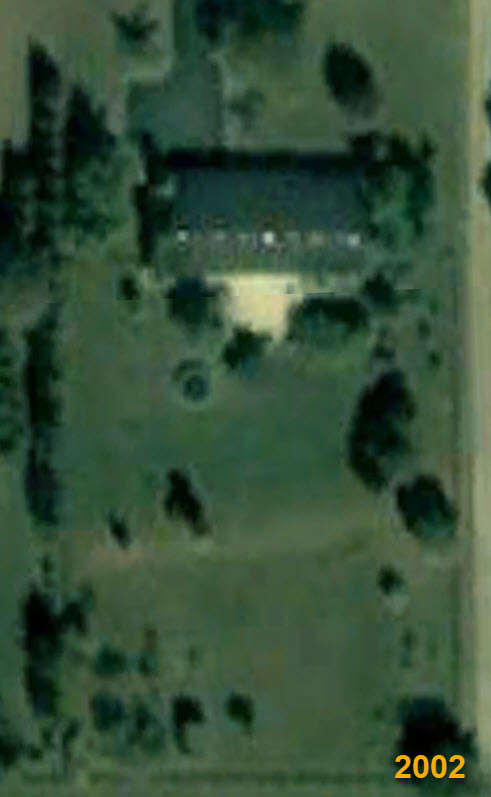
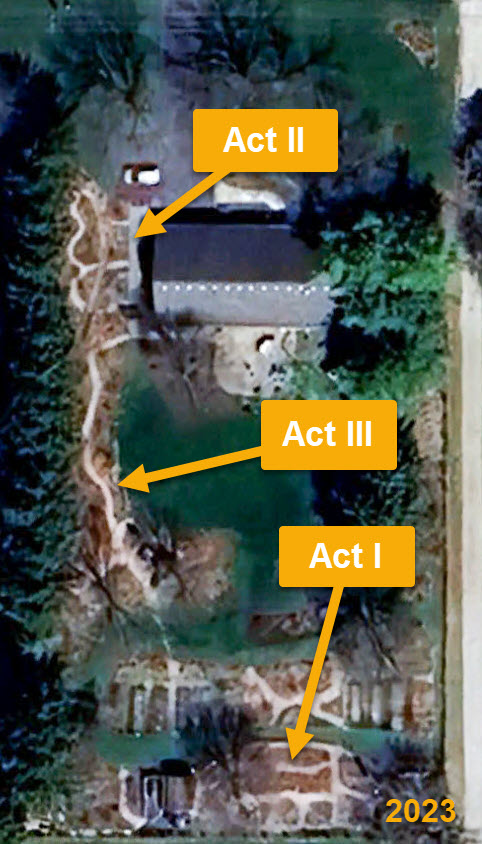
Act I: Establishing a Prairie Garden at back of the yard 2003-2006
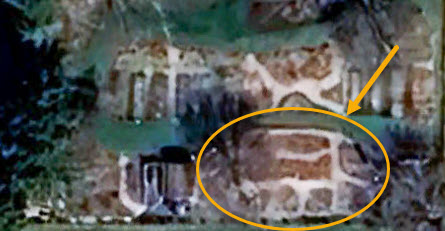
The Prairie Garden is the area at the very bottom of the photo on the right. This is our property boundary. We moved here in 2001 and I asked a local expert, Bob Harter, to come and consult. From this we determined that the area would support prairie plants even though it’s a somewhat low area.
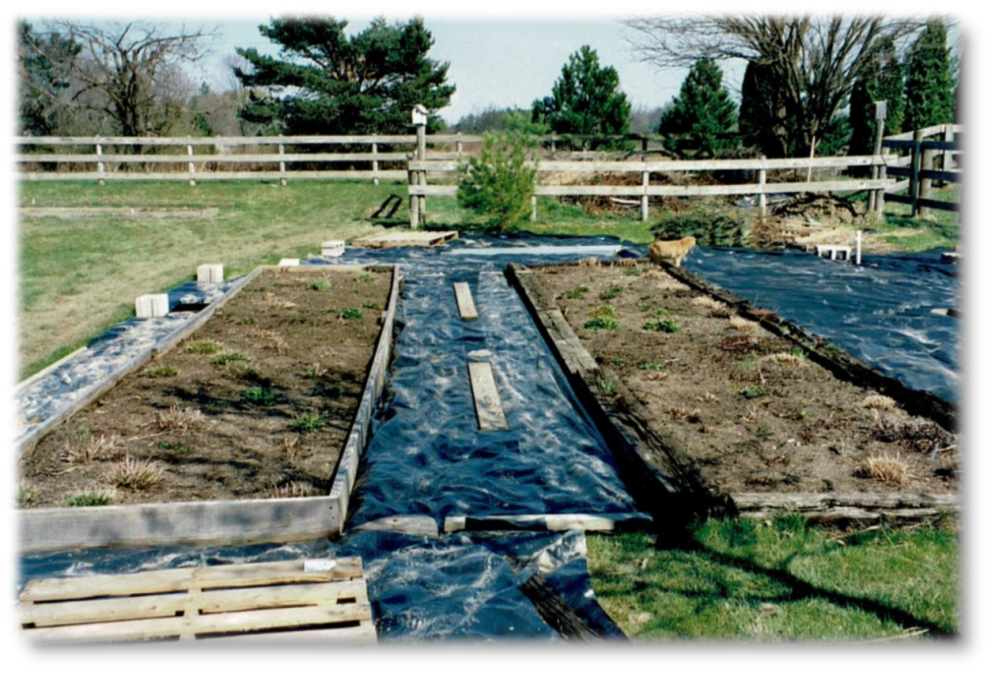
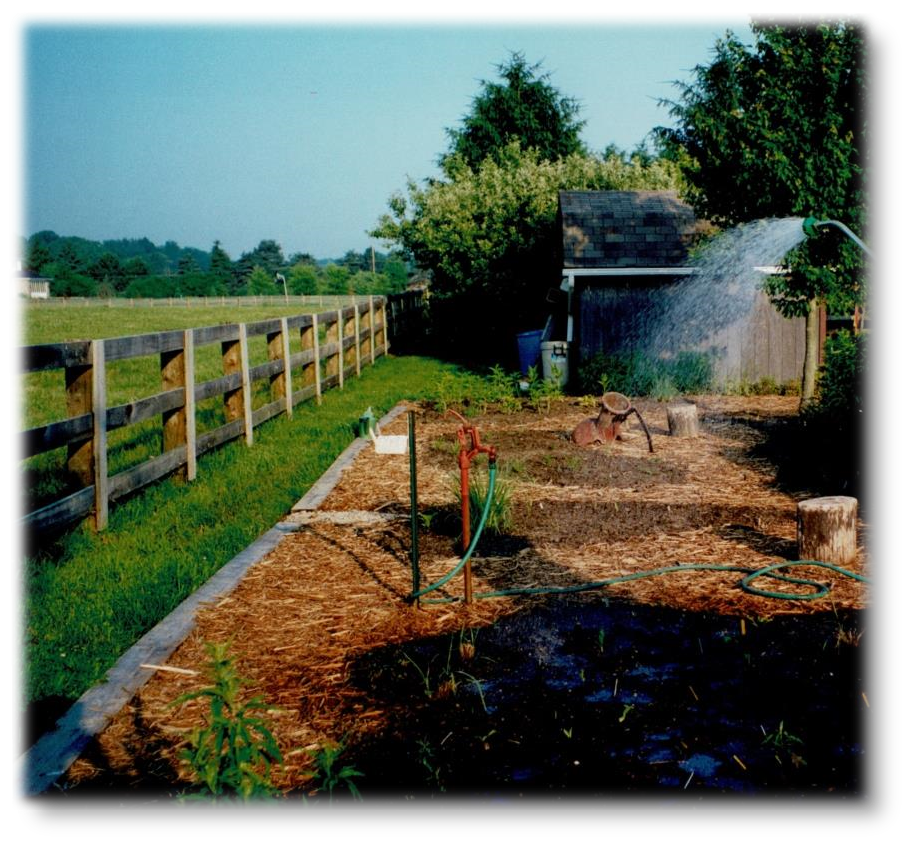
Two raised beds were constructed. We planted shorter plants in the front bed and taller plants in the rear bed. We were going for a lot of color and some prairie grasses. Next we used plastic to smother grass in most of that remaining area for future beds and paths. I learned that the term “solarization” refers to using clear plastic to smother, and when black plastic is used, it’s called “tarping.”
We later removed the plastic and here you can see new beds and paths which are behind the raised beds. We added 4” of a sand/compost mix in all the new beds, and used woodchips for the paths. Then we planted the new beds with native plant plugs which were in 4” cells. This approach meant very simple and easy planting – no need to break ground, we just planted the plugs in the loose mix. Because we were using prairie species, their roots would easily work their way through what had been turf. I had read about this method in Gardening with Prairie Plants and it was one of our easier plantings.
This is early summer after three years. Note that the plants in the newer beds on the left have caught up with those in the original raised beds to the right.
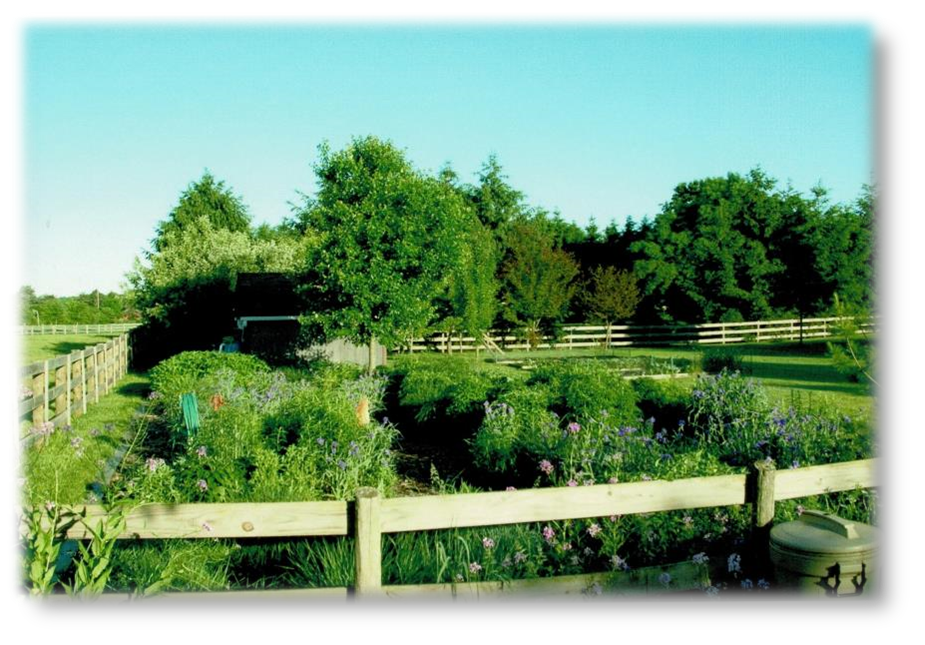
And this was later that summer. The original raised beds are in the foreground. We later removed the framing around the raised beds so we could have curved paths for a more natural look. The newer beds with the tallest plants include prairie dock, jerusalem artichoke, rosin weed, and grey headed coneflower. It’s really true that these plants ‘sleep’, ‘creep’, and ‘leap’ – and in three years, we had a mature planting.
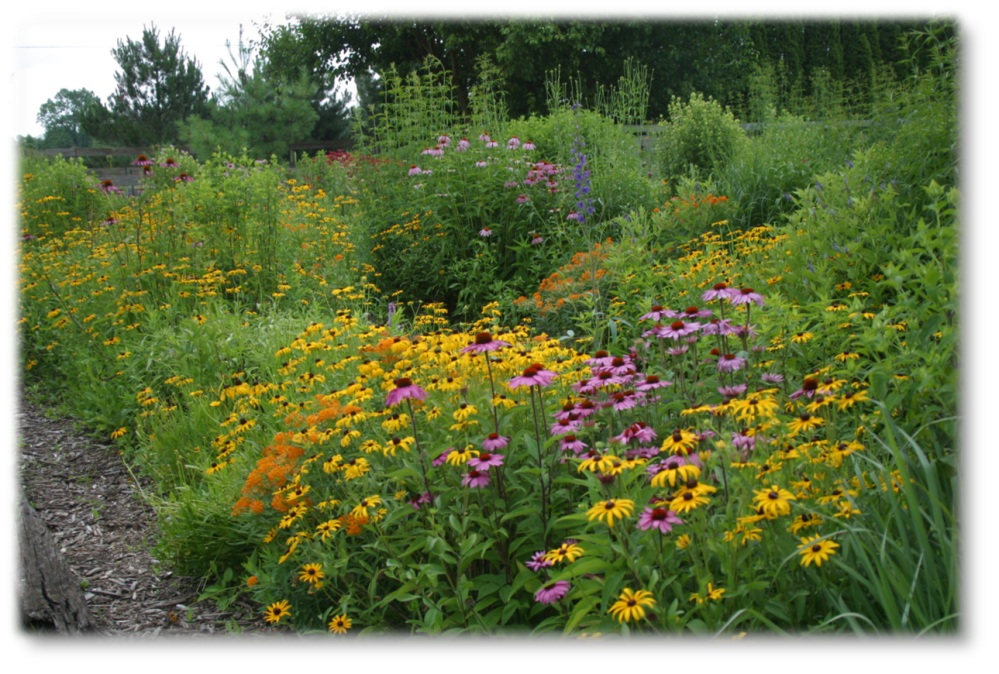
 Catchfly Commons