Many types of flies are actually beneficial insects but are instead considered pests. Some types of flies are certainly pests as annoyances, transmitters of disease, and damagers of crops. However, beneficials types like hover, robber, snipe, and tachinid flies are creatures we want in our landscapes. Flies can function as pollinators. If you like chocolate, thank a fly for pollinating the cacao tree! Many fly species help control other insects such as aphids and gnats. Other types of flies help with decomposition. Flies have their own beauty as well. Flower flies are often mistaken for bees because they mimic bee appearance. This blog is another attempt to learn and share a bit about pollinators other than bees, butterflies, and moths. Two weeks ago, I posted on wasps.
Some fun facts about flies from North Carolina State Extension:
- Flies can hover, fly backwards, turn in place, and even fly upside down to land on a ceiling”
- Flies have the highest wing-beat frequency of any animal
- Some flies use parts of their antenna to sense how fast they are moving (1)
A Very General Overview
Flies are in the order Diptera and are distinct from other insects because they only have one pair of wings (in front). The second pair of wings typical of other insects “is reduced to small, knob-like structures called halteres, which they use for balance in flight.” (2) Adult flies have large eyes and relatively short antennae.
“The mouthparts of flies are designed to suck or pierce, rather than bite, and they are all liquid feeders. Some get their nutrition by drinking liquefied putrid matter, for example dung; or they suck up nectar from flowers; others have pointed mouthparts…” that pierce to draw out liquified food or blood. (3)
“True flies undergo complete metamorphosis – that is, they have egg, larva, pupa and adult stages. Their larvae (maggots) can be distinguished from those of other orders by virtue of the fact that they are legless, though sometimes they may have small stumps or false legs. They move by simply wriggling about.” (3)
Varieties of Flies
Common families of flies within Diptera include (not an exhaustive list):
- Family Asilidae (robber flies)
- Family Bombyliidae (bee flies)
- Family Calliphoridae (blow flies)
- Family Cecidomyiidae Family (predatory midges)
- Family Culicidae (mosquitoes)
- Family Dolichopodidae (long-legged flies)
- Family Drosophilidae (fruit flies)
- Family Muscidae (house and muscid flies)
- Family Syrphidae (hover and flower flies)
- Family Tabinidae (horse and deer flies)
- Family Tachinidae (tachinid flies)
- Family Tipulidae (crane flies) (2)
Ecosystem Services
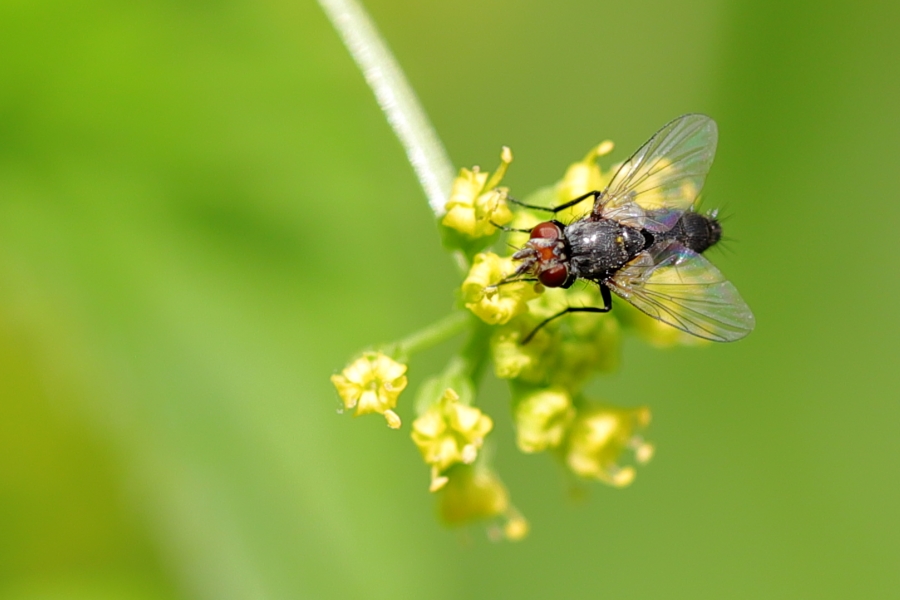
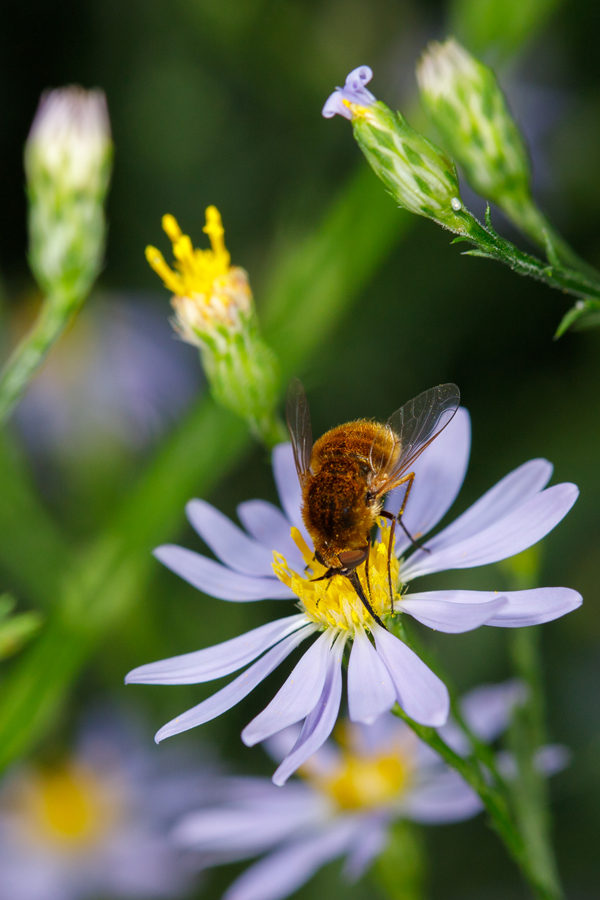
Pollination. Adult hover flies, bee flies, midges, and tachinid flies seem most often referenced as pollinators since they visit flowers for nectar. Bees are generally the gold standard for pollinators. Flies are not as efficient, largely because they are not as hairy as bees. While some flies like tachinids may consume pollen, they are not intentionally gathering it and moving it from place to place like bees.
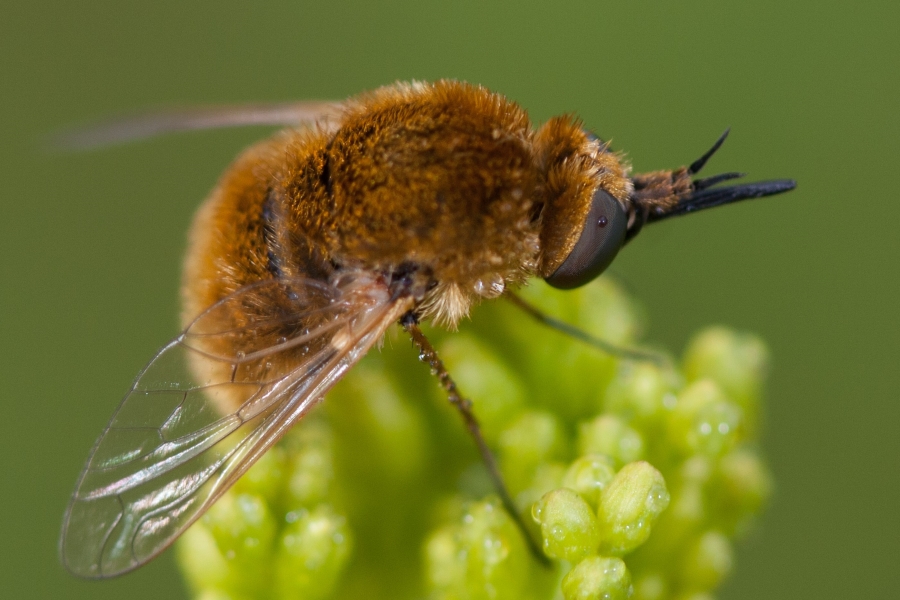

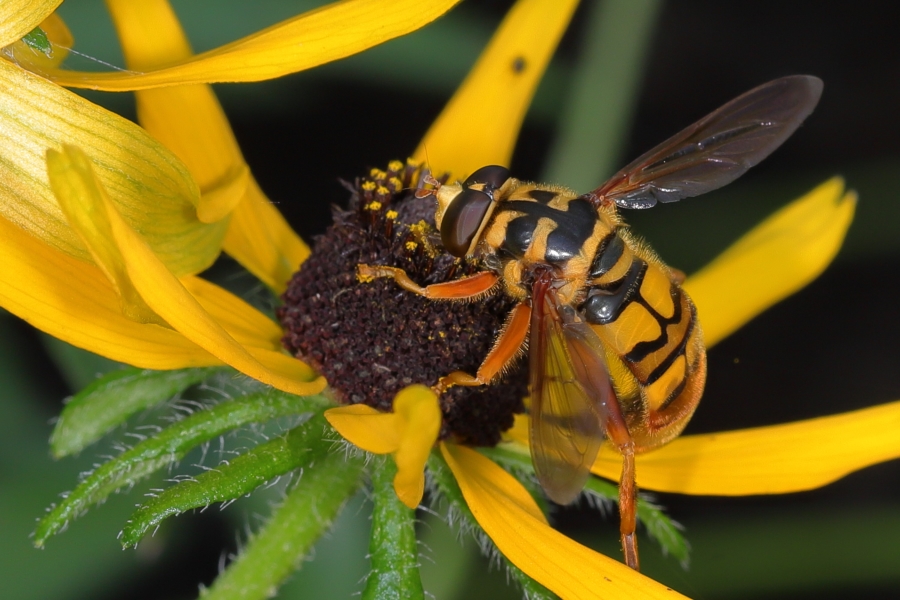
Insect Control. In her book Good Garden Bugs, Mary Gardiner identifies predator and parasitoid flies that help control other insects. (4)
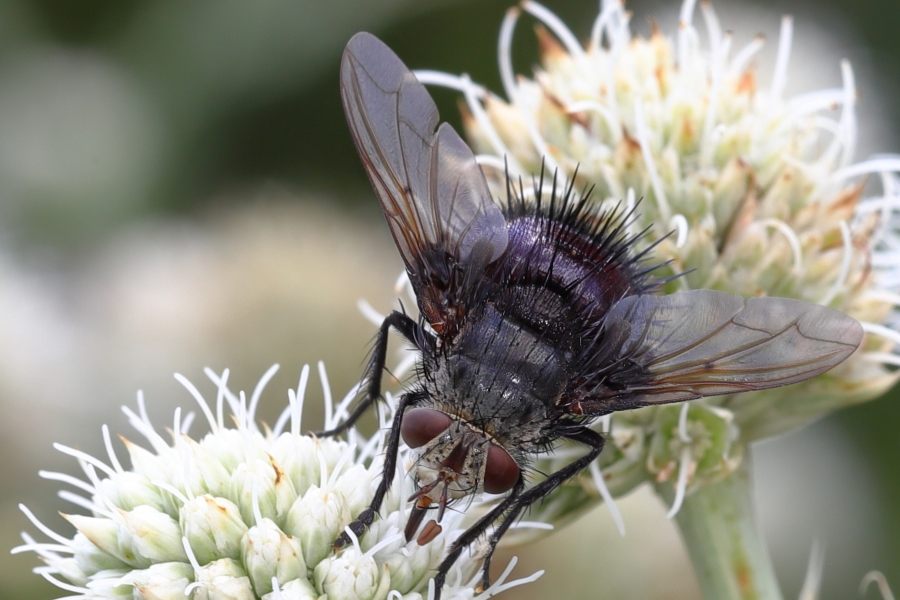
Tachinid flies are parasitoid, laying eggs in or on hosts that will be devoured by the maggot. These flies have a range of hosts. Some species are specialist parasitoids of stink bugs and squash bugs. (5) Sometimes hosts include desirable insects like Lepidoptera. (4)
Predatory midges and hover/flower flies are predators in their larval (maggot) state. Aphids are often listed as the food for these maggots. Whiteflies and scales are also noted as food for hover fly maggots. (4)
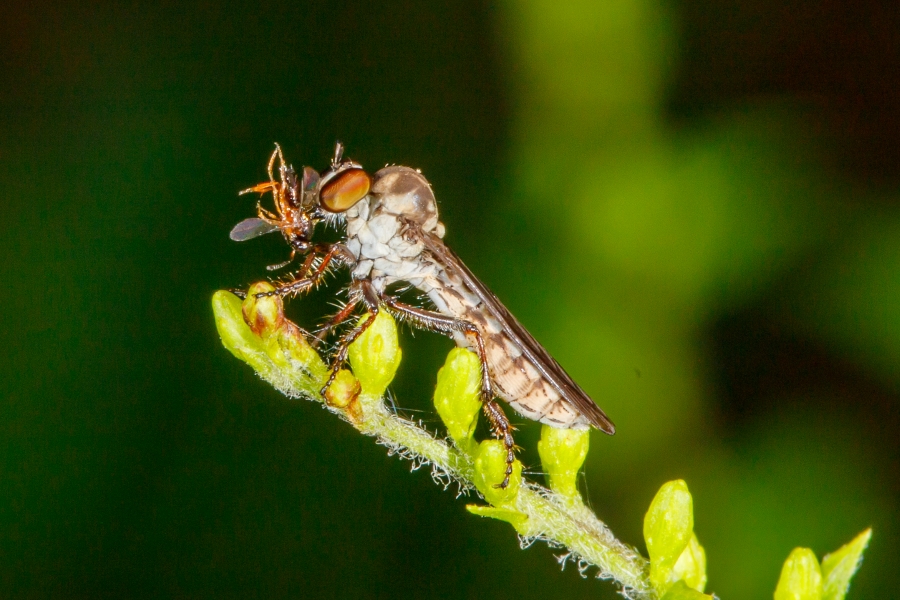
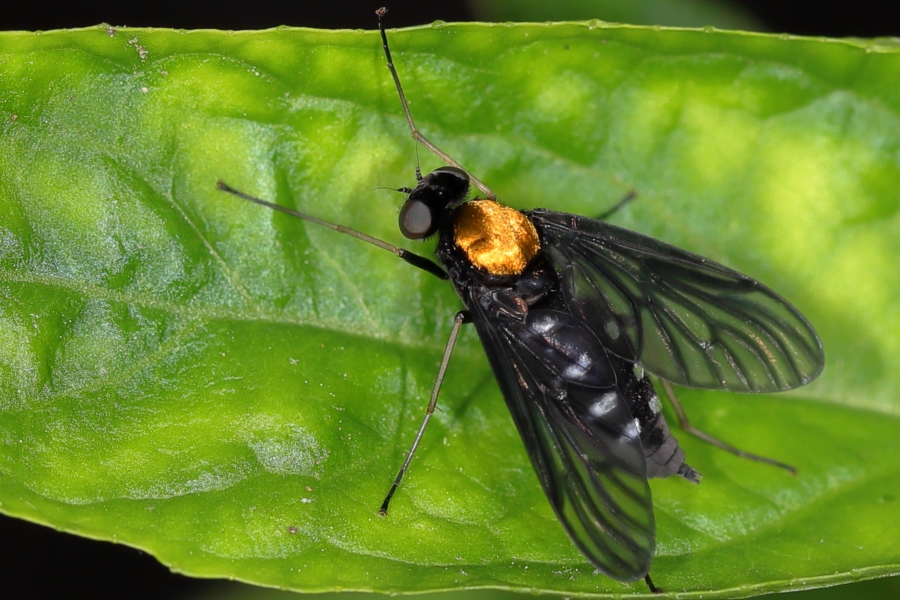
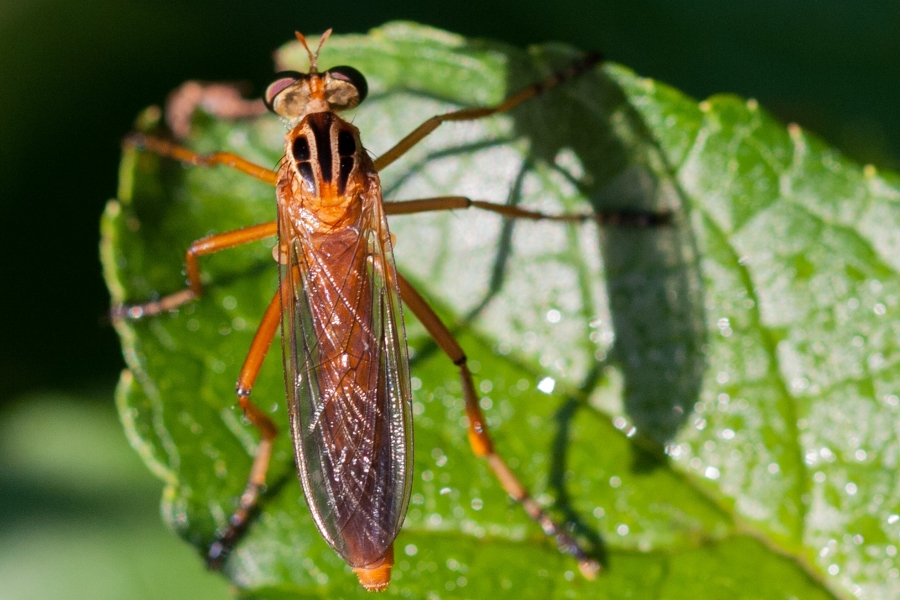
Robber flies, gnat ogres, long-legged flies, and snipe flies are predators as adults. They capture their prey then inject enzymes that create liquified food that can be sucked out. (4)
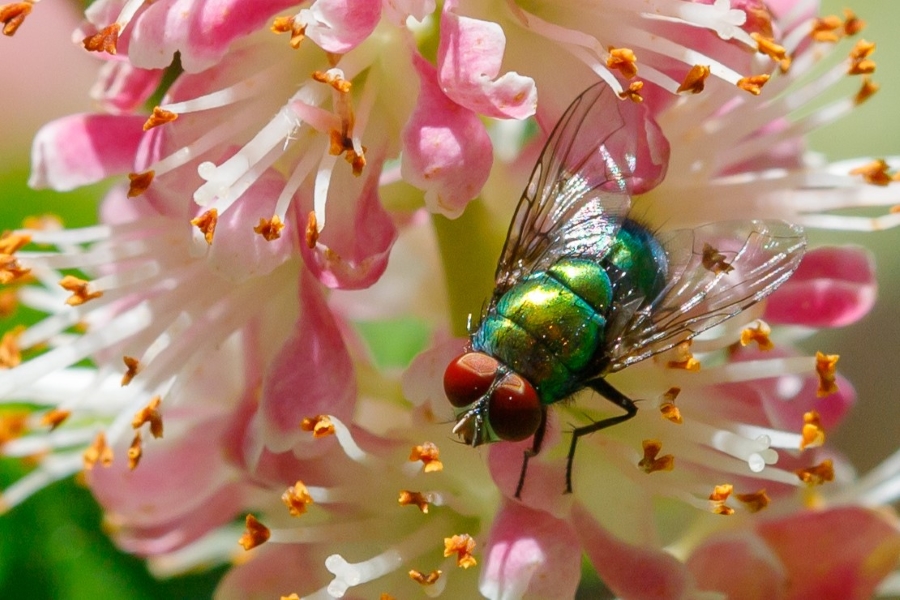
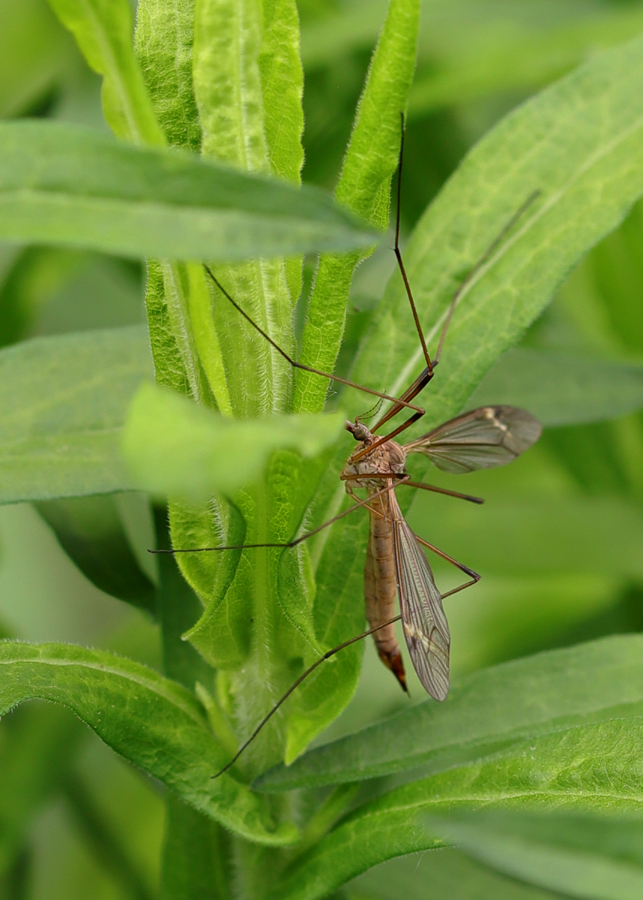
Decomposition. Flies such as flesh flies, blow flies, and house flies contribute to breaking down decaying matter as either maggots or adults. (6) Adult scavenging flies can transfer disease from decaying flesh to humans when their spongy mouth parts contact food. Crane fly larvae (leatherjackets) in the soil help break down larger pieces of organic matter into smaller pieces. Adult crane flies do not eat. (7)

Gallery
Landscape Gallery
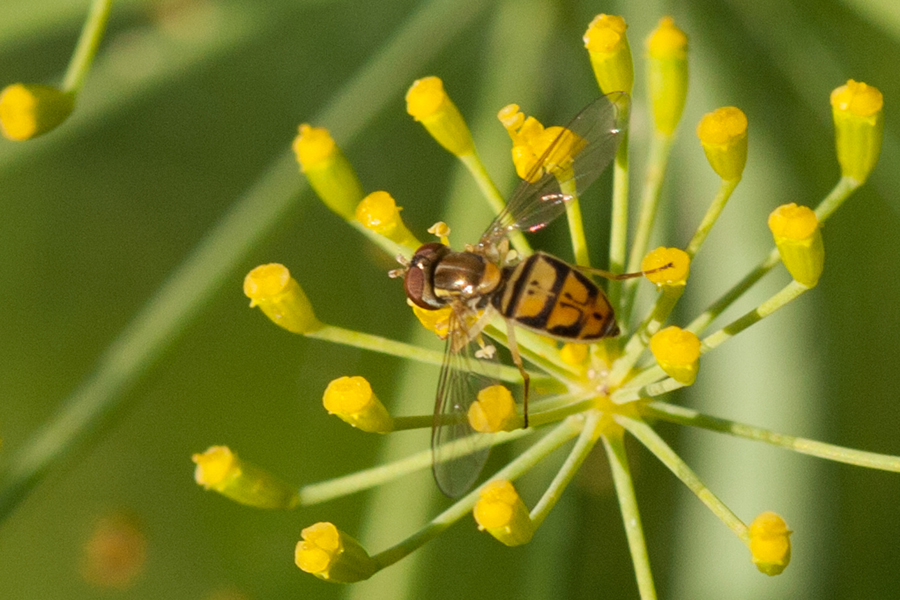

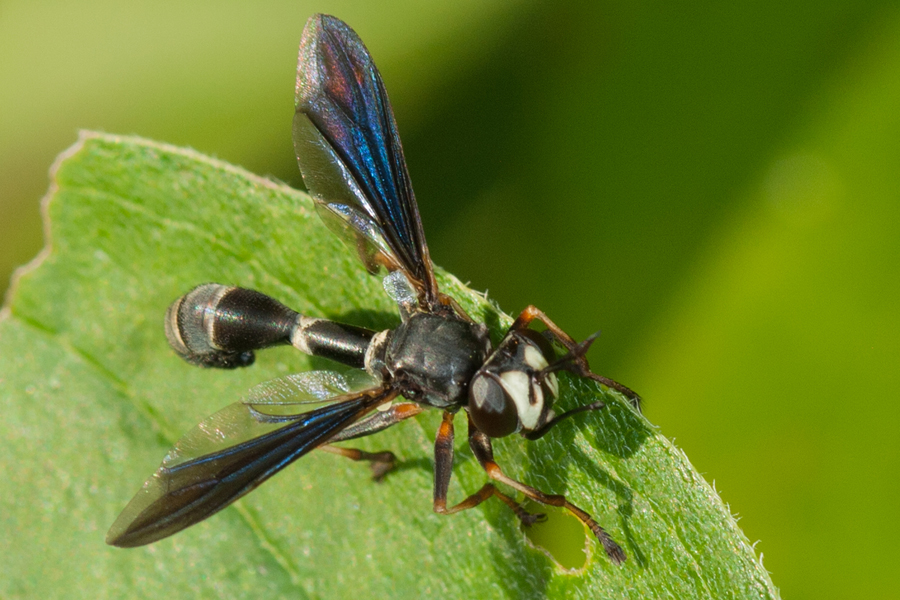
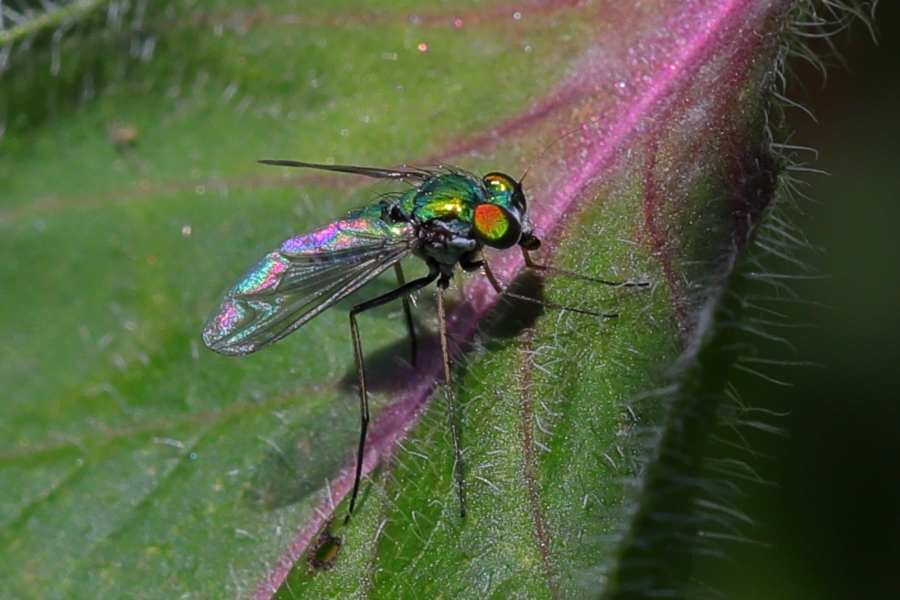
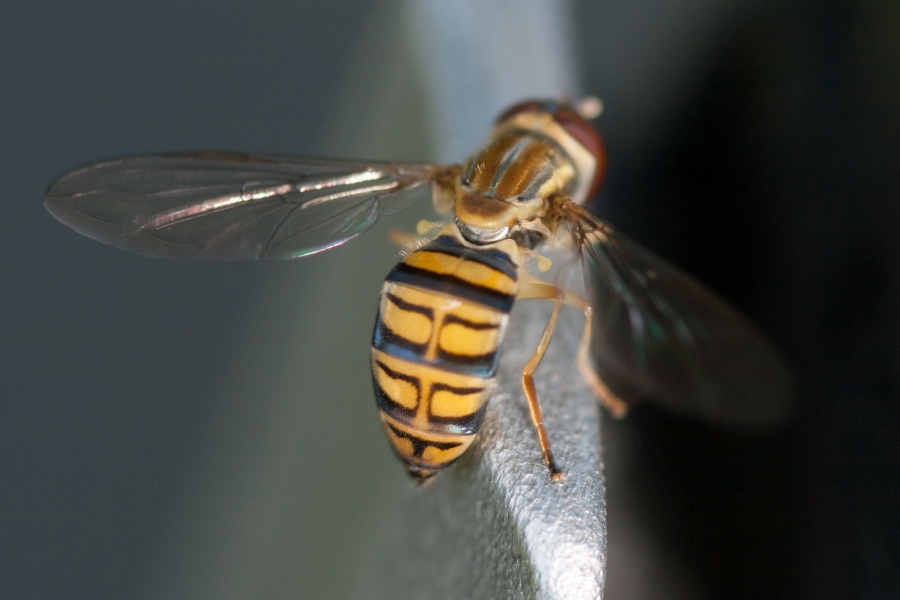
Portrait Gallery
References
(1) “Diptera,” ENT 425 – General Entomology, accessed November 6, 2023, https://genent.cals.ncsu.edu/insect-identification/order-diptera.
(2) “True flies (order Diptera),” Oregon State University Extension Service, July 2018, https://extension.oregonstate.edu/pests-weeds-diseases/insects/true-flies-order-diptera, accessed 11.6.2023.
(3) “Flies – the ‘true’ or two-winged flies (Order: Diptera),” Amateur Entomologists’ Society, https://www.amentsoc.org/insects/fact-files/orders/diptera.html, accessed 11.6.2023.
(4) Gardiner Mary M. 2015. Good Garden Bugs: Everything You Need to Know About Beneficial Predatory Insects. Beverly Massachusetts: Quarry Books. pp. 90-101.
(5) “Recruiting Insect Allies to Combat Brown Marmorated Stink Bug,” Xerces Society, https://xerces.org/blog/recruiting-insect-allies-to-combat-brown-marmorated-stink-bug, accessed 11.1.2023.
(6) “The Flies and Beetles That Turn Death Into Dinner,” Entomology Today, Denise Gemmellaro, October 3, 2017, https://entomologytoday.org/2017/10/03/the-flies-and-beetles-that-turn-death-into-dinner, accessed 11.11.2023.
(7) “They’re Not Giant, Mutant Mosquitoes: They’re Crane Flies,” Buckeye Yard and Garden Online, Joe Boggs, October 6, 2023, https://bygl.osu.edu/node/2268, accessed 11.9.2023.
Photos by Randy Litchfield unless otherwise noted
© Randy Litchfield, some rights reserved (CC-BY-NC)
 Catchfly Commons