The 2023 Open Garden at Catchfly Commons highlighted 26 native plant species that perform the functions of groundcovers in this landscape. They shade out and (hopefully) outcompete weeds, help moderate soil temperatures, and keep the soil surface from drying out. Their root systems can help stabilize soil, and a matrix of groundcovers can form an aesthetically pleasing foundation or front layer for other garden plants, both herbaceous and woody. Except for the function of layering (short plants in front, taller plants behind), none of the functions of groundcovers restrict groundcovers to short species. Later posts will focus on groundcovers used in sunny sites and taller natives that might not immediately come to mind as groundcovers, but which serve all the other purposes.
Here are five native low growing groundcovers that do well in shade; others will appear in a future post:
Asarum canadense
Wild Ginger
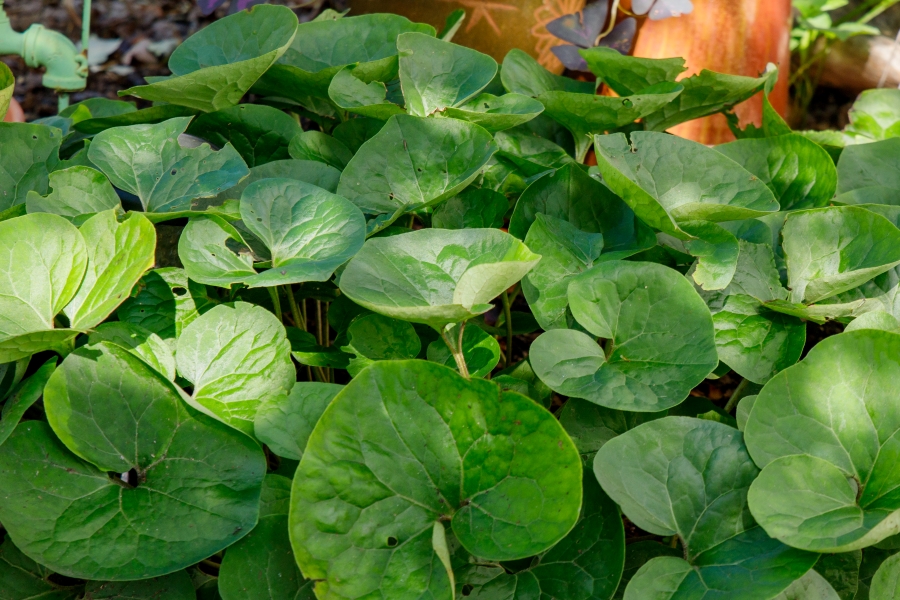
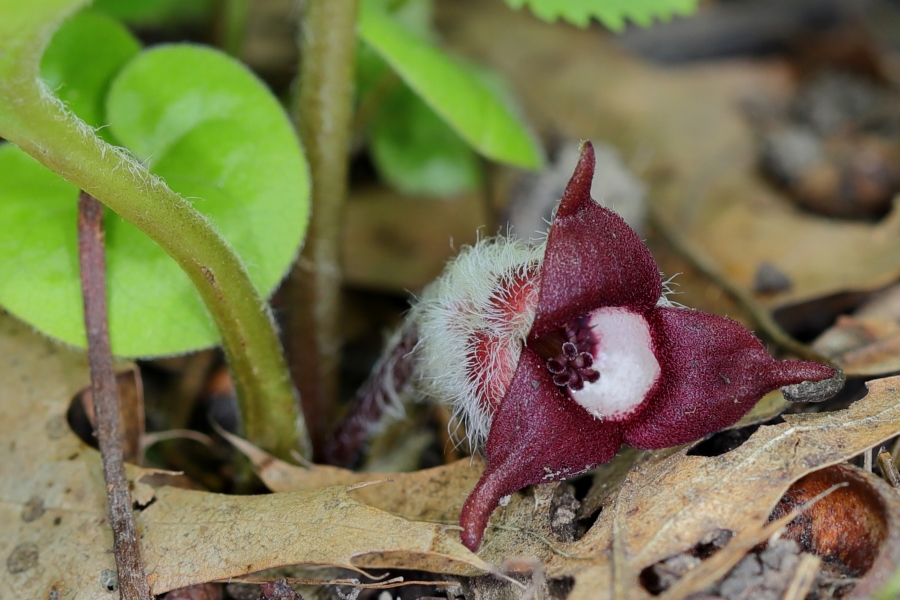
Wild ginger keeps its foliage through the season if plants have enough soil moisture and are protected from the sun, so it’s a great companion for some of the spring ephemerals which die back after tree canopies have leafed out. The reddish-brown flowers appear under the leaves and rest on the ground, attracting flies or beetles which probably perform pollination. Seeds have a fleshy appendage called an elaiosome. Ants carry the seeds back to their nests where they consume the fleshy substance but leave the seed itself intact. Often these nests are the perfect spot for the seeds to germinate and new wild ginger plants may appear over time.
Cardamine diphylla
Broad-leaved Toothwort or Two-leaved Toothwort or Crinkle Roots
(image source: Cbaile19, CC0, via Wikimedia Commons)
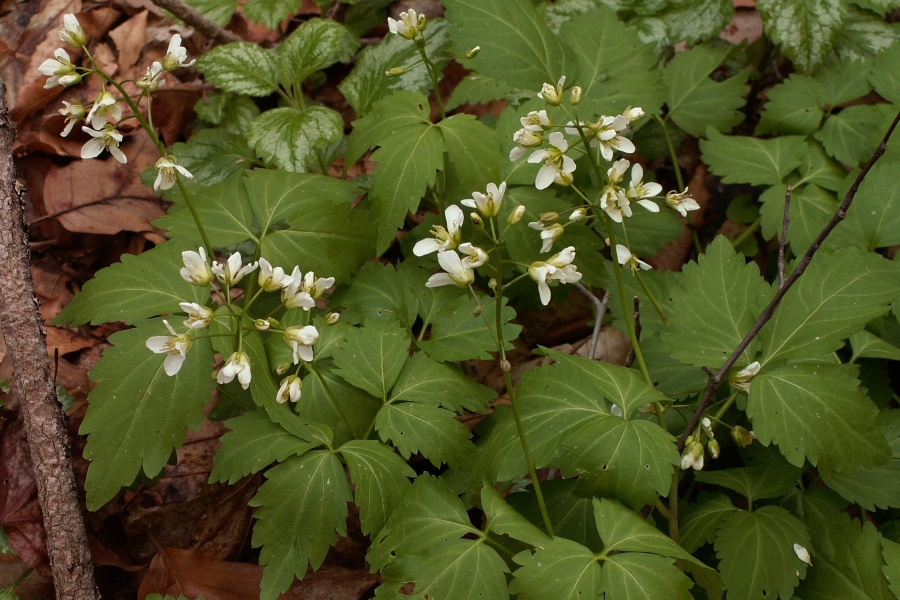
I don’t know about you, but I love a plant with “Crinkle” in the name. The root can be used as a condiment, apparently similar to wasabi in taste. The foliage is edible as well. Interestingly, crinkle root grows through the fall and winter, blooming in May and then may die back. Or in our landscape, it survives the summer. It isn’t typically considered a groundcover but because it stays green over the winter and is rhizomatous, we’re hoping it will fill in as a groundcover where we have it planted in a spot that receives adequate moisture and a fair amount of shade. Flowers are visited by a number of bees and flies. It is a host plant for the West Virginia white butterfly and the falcate orange-tip butterfly.
Carex appalachica
Appalachian Sedge
The Carex genus of the family Cyperaceae are known as “true sedges.” There are over 160 Carex species in Ohio. The three species included here are available at native plant nurseries and are growing at Catchfly Commons, although not all are doing equally well.
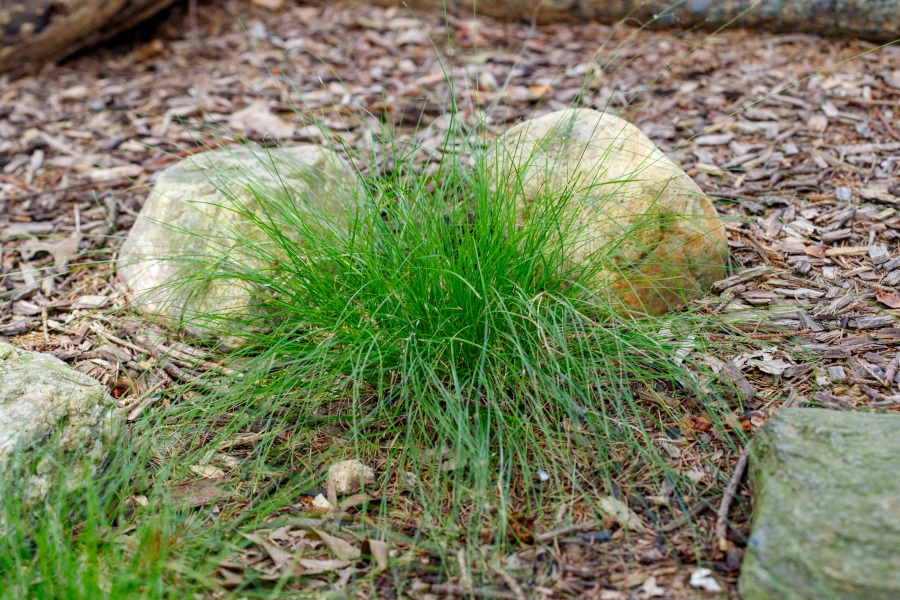
Appalachian sedge is growing under spruce trees here, a quite shady and very dry site. Plants grow slowly but steadily to form attractive colonies. In dry shade, or part-shade, this sedge is suitable as lawn replacement and the fountain-like form is lovely in mass plantings. This also makes it a good option as a matrix plant, providing a groundcover layer for herbaceous perennials growing up through this sedge.
Carex eburnea
Bristle-leaf Sedge or Ivory Sedge or Ebony Sedge

I tilted my head and raised an eyebrow at this plant going by the common names ivory AND ebony sedge. Really? According to the entry in the Missouri Botanical Garden’s Plant Finder site, eburnea is Latin for Ivory White. Carex ebenea is another species and ebenea is Latin for ebony. Apparently the common name ebony sedge for Carex eburnea was just a mix-up with the similarly named Carex ebenea.
This happens to be my favorite sedge, so far, anyway. It is the brightest green and although it can grow to 12”, it’s closer to 6-8” in our landscape, where it also grows in dry soil under the spruce trees. It has self-seeded a bit but did not transplant well to a slightly sunnier and less dry spot. This sedge seems to stay green long into winter. One source called it “a delicate little sedge.” Another plus? Like most sedges, it tolerates deer.
Carex pensylvanica
Pennsylvania Sedge

This is a sedge that does well in both dry shade and in full sun. At Catchfly Commons it grows in average soil under a maple tree where it receives very little sun. Plants spread by rhizomes and can be divided every few years. It is difficult to grow from seed and slow to germinate. It is a cool-season sedge, actively growing in spring and fall when temperatures are cool. A large patch of this sedge can also resemble a lawn.
We’ve not even scratched the surface on these groundcovers. Wouldn’t it be nice to see some of these replace the ubiquitous English ivy, periwinkle, and Japanese pachysandra which tend to crowd out native plants?
Photos by Randy Litchfield unless otherwise noted
© Randy Litchfield, some rights reserved (CC-BY-NC)
 Catchfly Commons