What comes to mind when you think of Monardas? The red frilly blooms of Scarlet Bee Balm? The lavender flowers of Wild Bergamot? According to the BONAP website there are six straight species of monardas native to Ohio or this region1. Depending on conditions, all can do well in the landscape, and all are attractive to many pollinators. All bee balm species are deer resistant. We have plants of each species in Catchfly Commons.
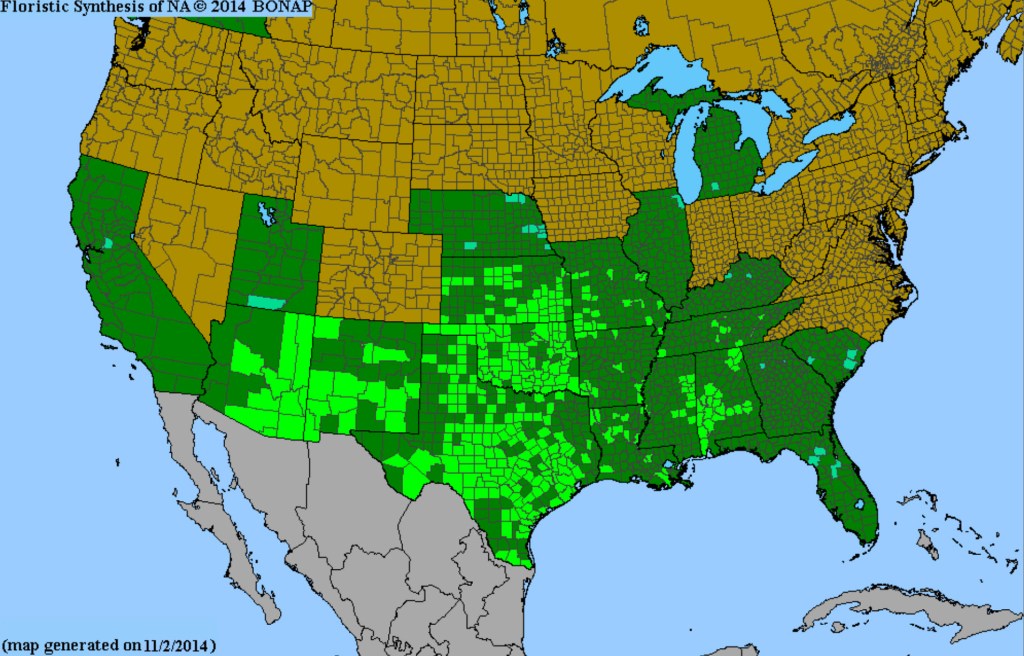
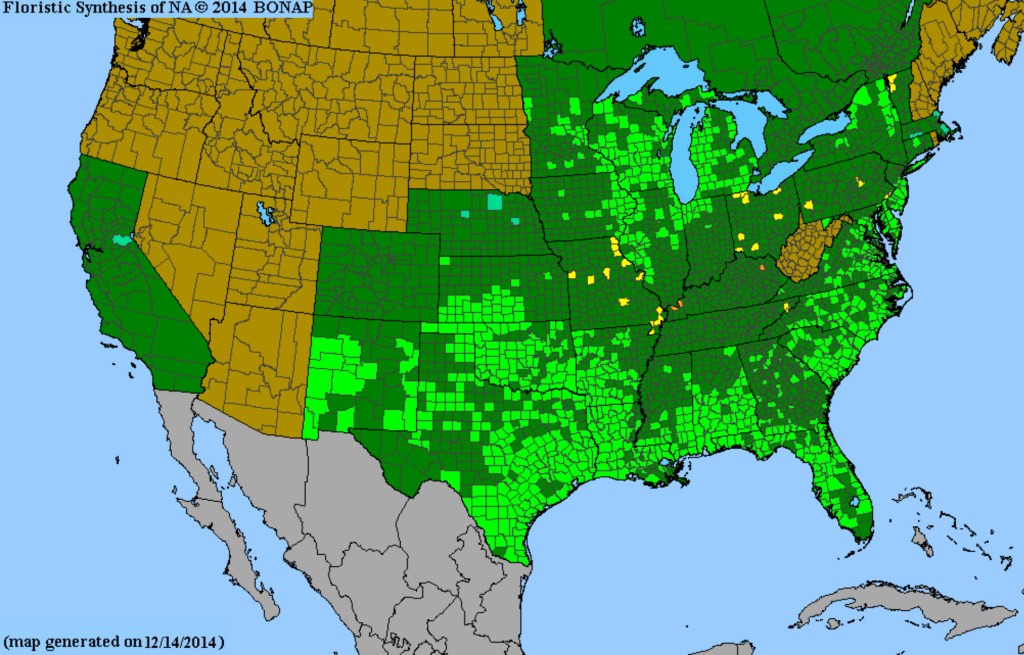
The BONAP maps below are used with permission.
Monarda bradburiana (Bradbury’s Monarda)
Shorter and more compact than Wild Bergmot (Monarda fistulosa)
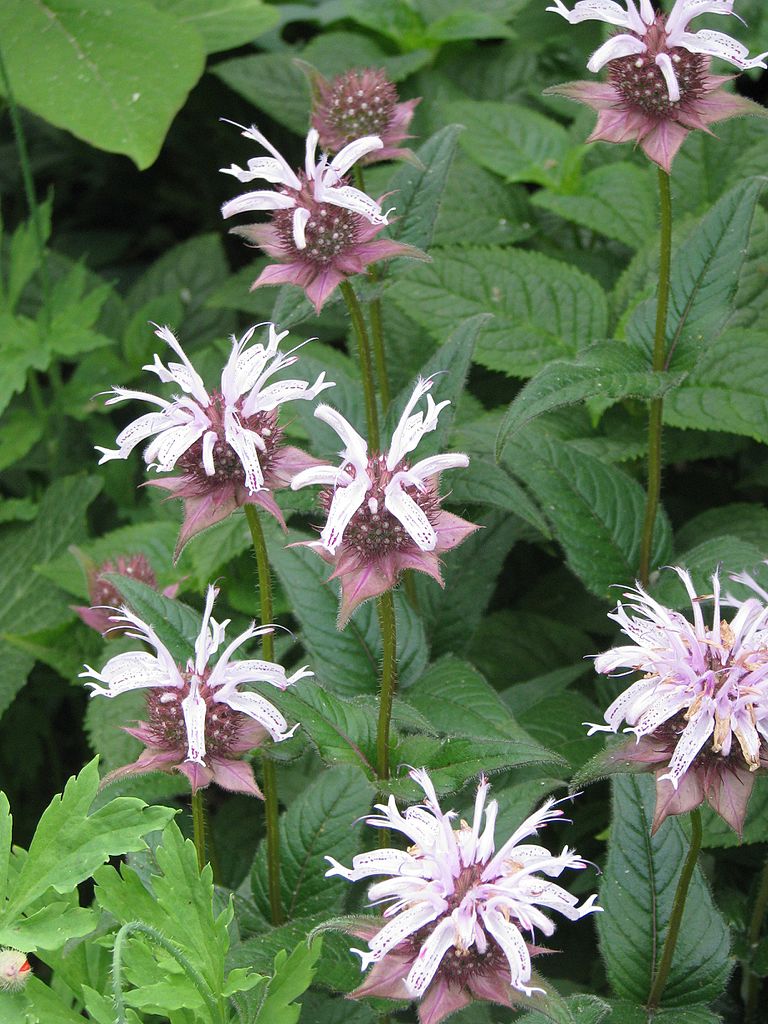
Photo Credit: peganum from Small Dole, England, CC BY-SA 2.0
https://creativecommons.org/licenses/by-sa/2.0, via Wikimedia Commons

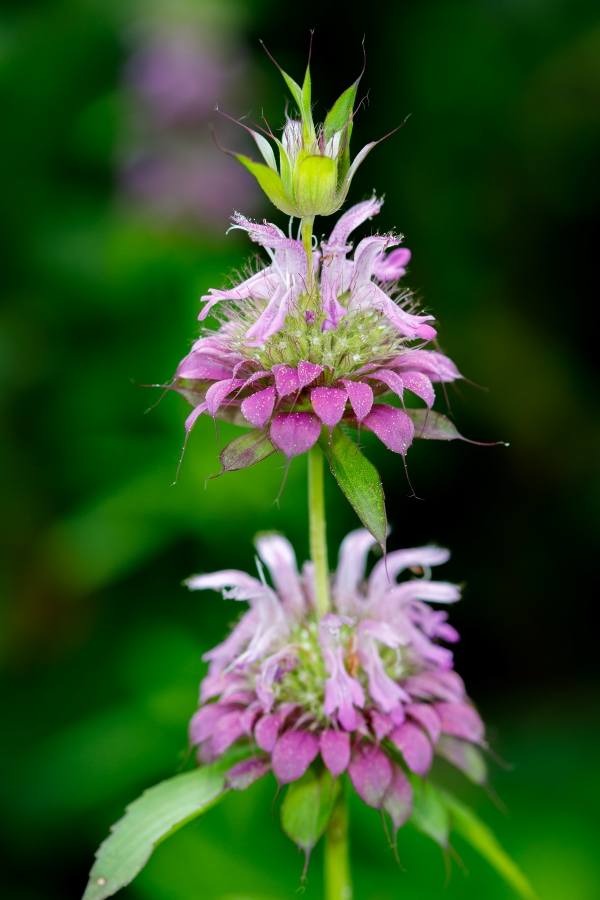
Monarda citriodora (Lemon Bee Balm)
Like Spotted Bee Balm, Monarda punctata, the flower blooms in tiers from the bottom upwards
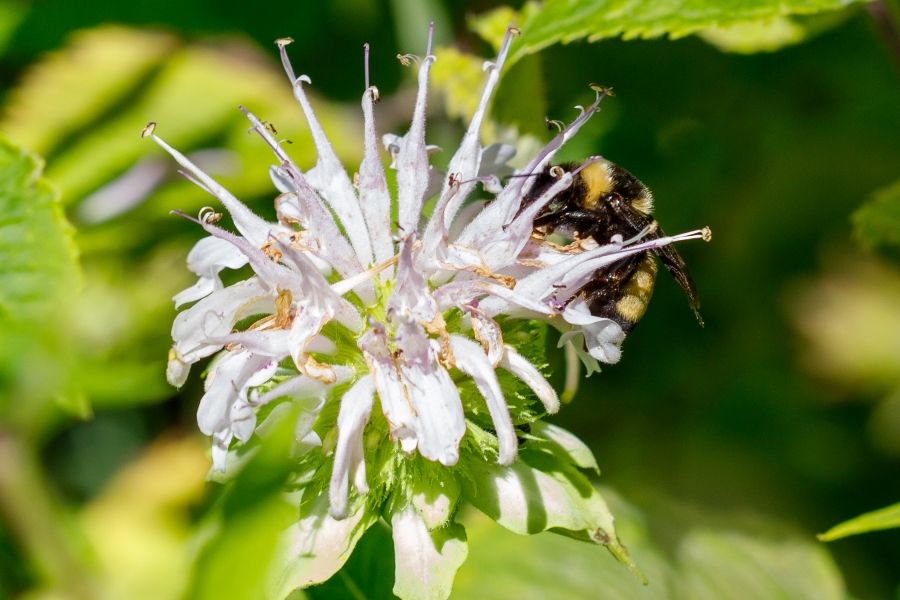
Monarda clinopodia (Basil Bee Balm)
White or very pale pink. Fast growing and can be somewhat weedy.

Monarda didyma (Scarlet Bee Balm)
Also called Oswego Tea. Spreads rapidly by underground stolons.
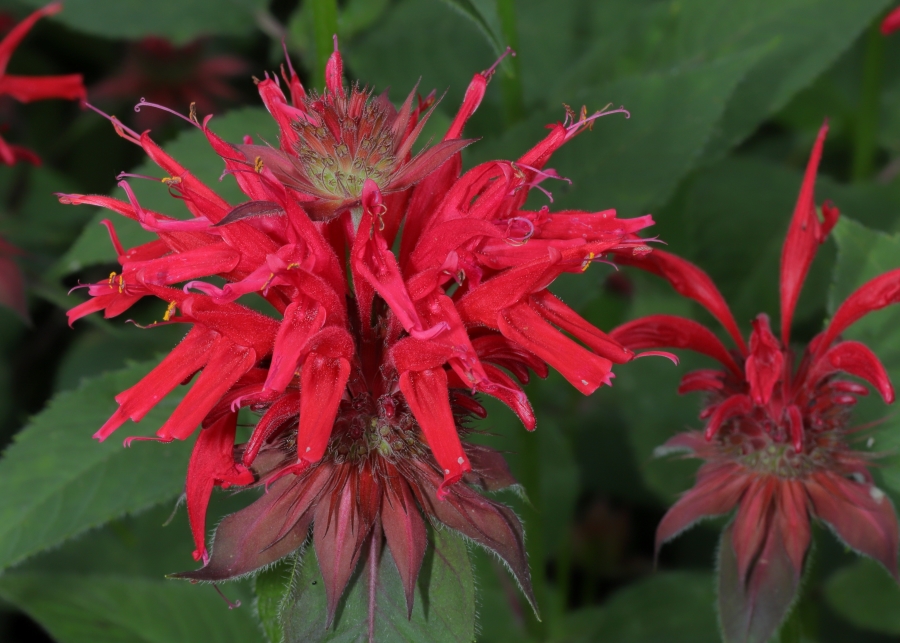

Monarda fistulosa (Wild Bergamot)
Clump forming; tolerant of black walnut. Prefers drier soil. Most widespread of the Monardas.
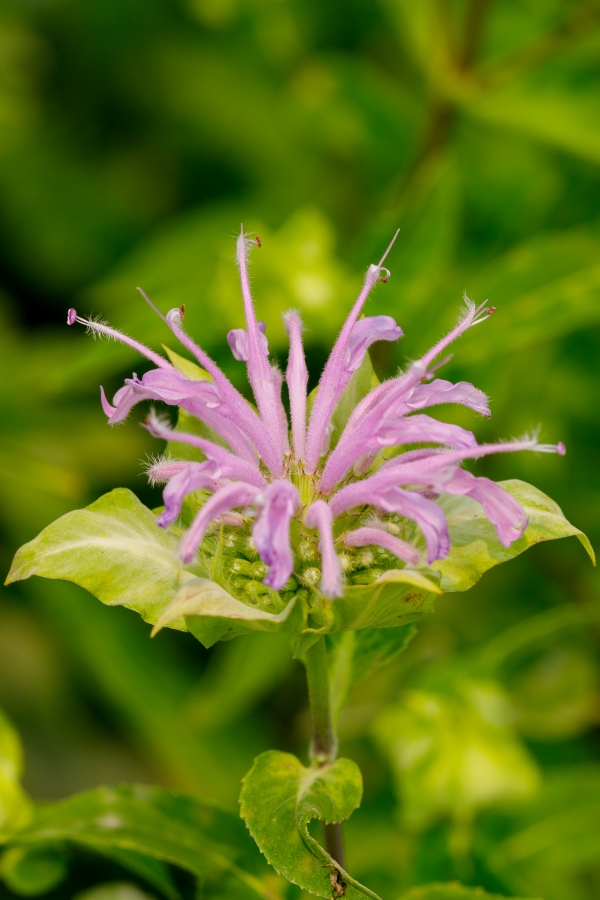
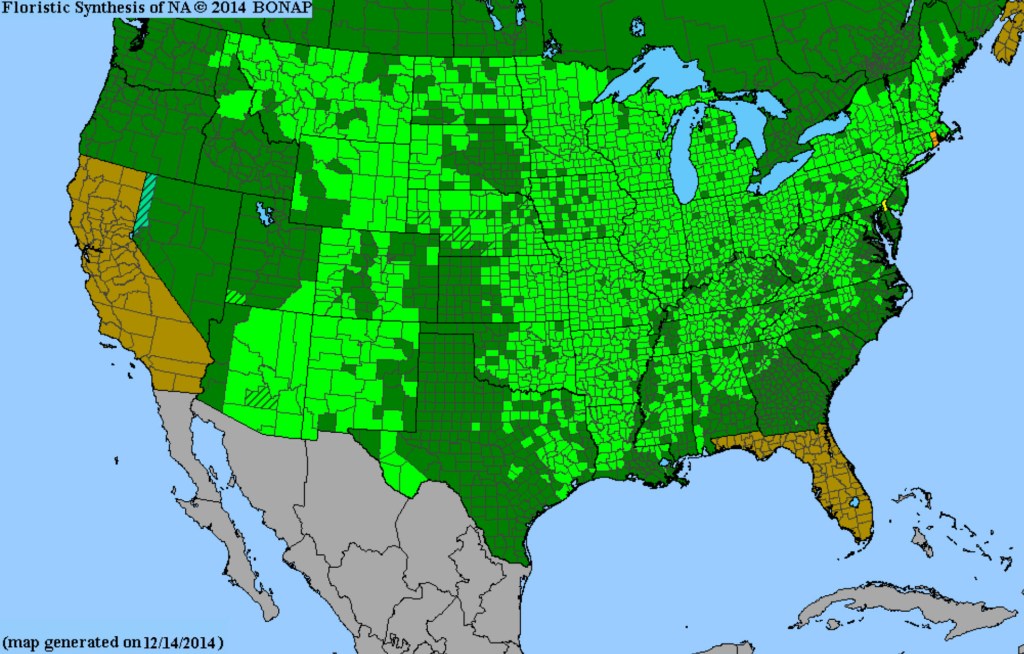
Monarda punctata (Spotted Bee Balm)
Drought tolerant; excellent cut flowers. Spreads by runners but is not aggressive.
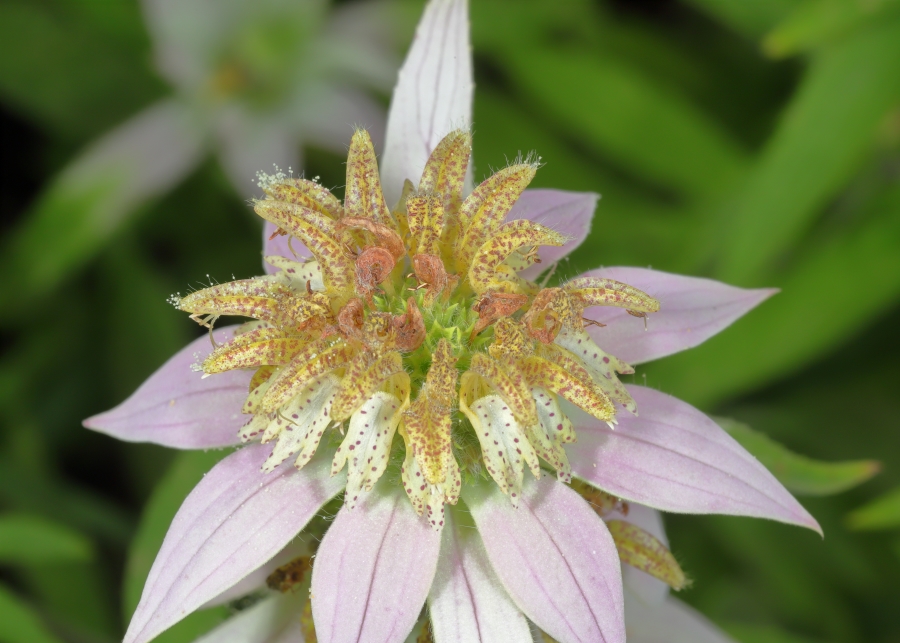
Photos by Randy Litchfield
© Randy Litchfield, some rights reserved (CC-BY-NC)
1Kartesz, J.T., The Biota of North America Program (BONAP). 2015. North American Plant Atlas. (http://bonap.net/napa). Chapel Hill, N.C. [maps generated from Kartesz, J.T. 2015. Floristic Synthesis of North America, Version 1.0. Biota of North America Program (BONAP). (in press)].
 Catchfly Commons